- Overview of Key Discussion Points
- Health Impact and Data Comparison
- Technological Advancements in E-Cigarettes
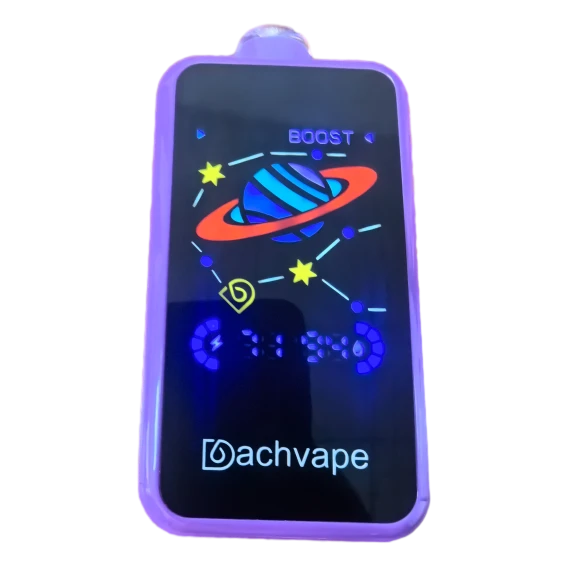
- Market Leaders: Product Comparison
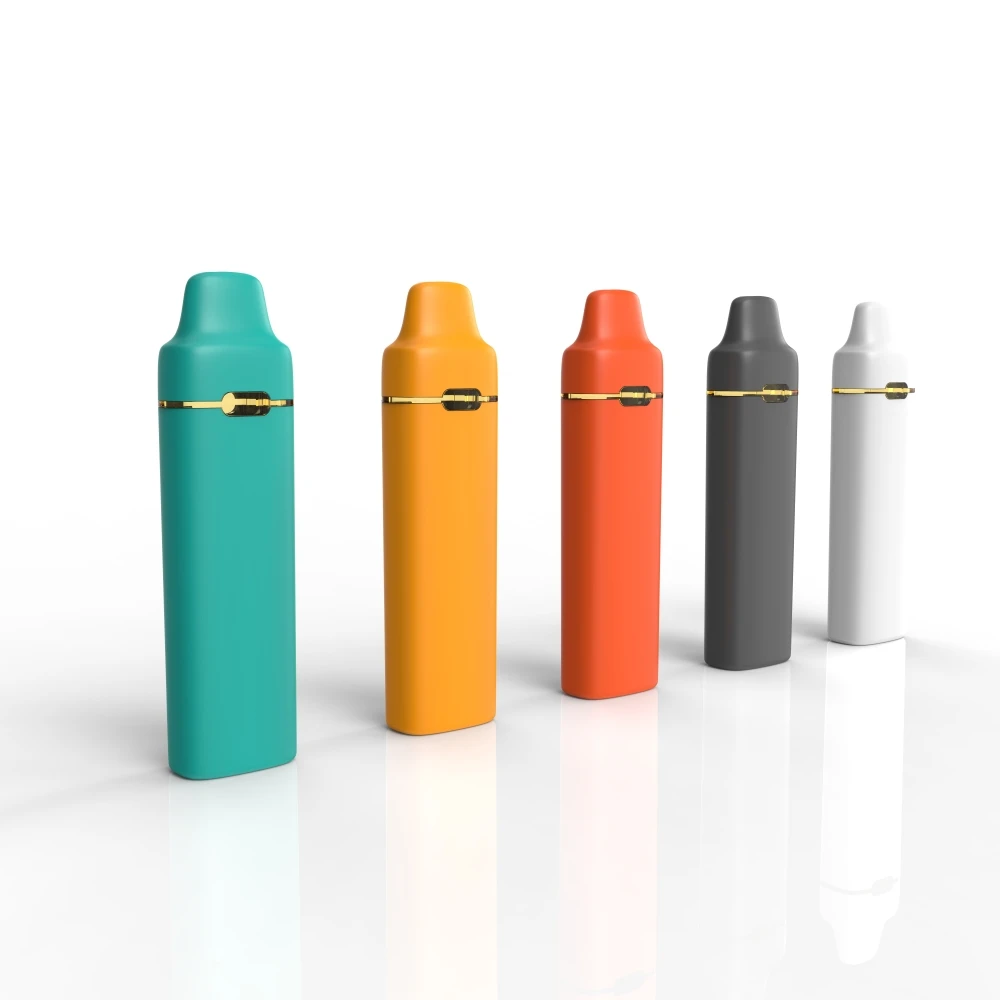
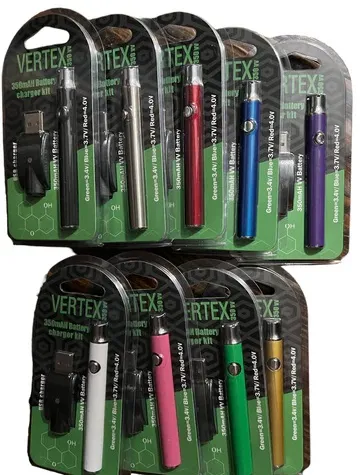
- Customization Options for Users
- Real-World Application Scenarios
- Future Trends in E-Cigarette Adoption

(are e cigarettes)
Are E-Cigarettes a Viable Alternative to Traditional Smoking?
The debate around e-cigarettes continues to evolve as consumers seek alternatives to combustible tobacco. With global e-cigarette sales projected to reach $47.1 billion by 2025 (Grand View Research), understanding their role requires examining hard data, technological differentiation, and user experiences. This analysis cuts through speculation with evidence-based insights.
Health and Cost: Quantifying the Differences
Public Health England's landmark study found e-cigarettes 95% less harmful than traditional cigarettes. Financial implications are equally striking:
| Metric | Traditional Cigarettes | E-Cigarettes |
|---|---|---|
| Annual Cost (Moderate User) | $2,500 | $800 |
| Known Carcinogens | 7,000+ | 20-50 |
| Secondhand Risk | High | Negligible |
Core Technology Breakdown
Modern devices utilize three key innovations:
- Temperature Control: Prevents overheating (under 350°F) to avoid toxic byproducts
- Nicotine Salt Formulations: Enable smoother throat hits at higher strengths
- Ceramic Coils: Improve flavor consistency and reduce burnt tastes
Leading Brands: Feature Analysis
| Brand | Battery Life | Pod Capacity | Price Range |
|---|---|---|---|
| JUUL | 200 puffs | 0.7mL | $9-$45 |
| Vuse | 300 puffs | 1.9mL | $15-$50 |
| SMOK | 600 puffs | 2.0mL | $30-$100 |
Personalization Strategies
Top manufacturers now offer:
- Adjustable nicotine levels (0-50mg/mL)
- Flavor blending systems with 200+ combinations
- Interchangeable airflow components
Case Study: Workplace Conversion Programs
A 2023 UK trial with 1,200 participants showed:
"Companies implementing smoke-free policies with e-cigarette access reduced employee tobacco use by 68% within six months. Healthcare costs decreased by 31% annually."
Why E-Cigarettes Versus Cigarettes Matter Long-Term
With the FDA authorizing 23 e-cigarette products as modified risk tobacco products (MRTP), regulatory acceptance grows alongside consumer adoption. While not risk-free, the relative harm reduction positions these devices as transitional tools in nicotine cessation strategies. Ongoing innovations in filtration tech and biodegradable pods address environmental concerns, potentially reshaping smoking culture entirely.
(are e cigarettes)
FAQS on are e cigarettes
Q: What are e-cigarettes?
A: E-cigarettes are electronic devices that heat a liquid (often containing nicotine, flavorings, and other chemicals) to create an aerosol inhaled by the user. Unlike traditional cigarettes, they do not burn tobacco. They are also known as vapes or vape pens.
Q: What is the difference between cigarettes and e-cigarettes?
A: Traditional cigarettes burn tobacco, producing tar and harmful chemicals, while e-cigarettes vaporize a liquid without combustion. E-cigarettes typically contain nicotine but lack tobacco, reducing exposure to some toxins. However, both carry health risks.
Q: How do e-cigarettes versus cigarettes impact health?
A: E-cigarettes may expose users to fewer carcinogens than cigarettes but still deliver addictive nicotine and potentially harmful additives. Long-term effects of e-cigarettes are less studied, while cigarettes are proven to cause cancer, heart disease, and lung disorders.
Q: What distinguishes e-cigarettes from traditional cigarettes chemically?
A: Traditional cigarettes release smoke containing tar, carbon monoxide, and thousands of chemicals from burning tobacco. E-cigarette aerosol lacks tar but may contain nicotine, propylene glycol, flavorants, and trace toxins from heated liquids.
Q: Can e-cigarettes help quit traditional cigarettes?
A: Some smokers use e-cigarettes to transition away from traditional cigarettes, but they are not FDA-approved cessation tools. Nicotine addiction risks remain, and dual use (smoking and vaping) is common. Consult healthcare providers for proven quitting strategies.
Post time:May - 09 - 2025