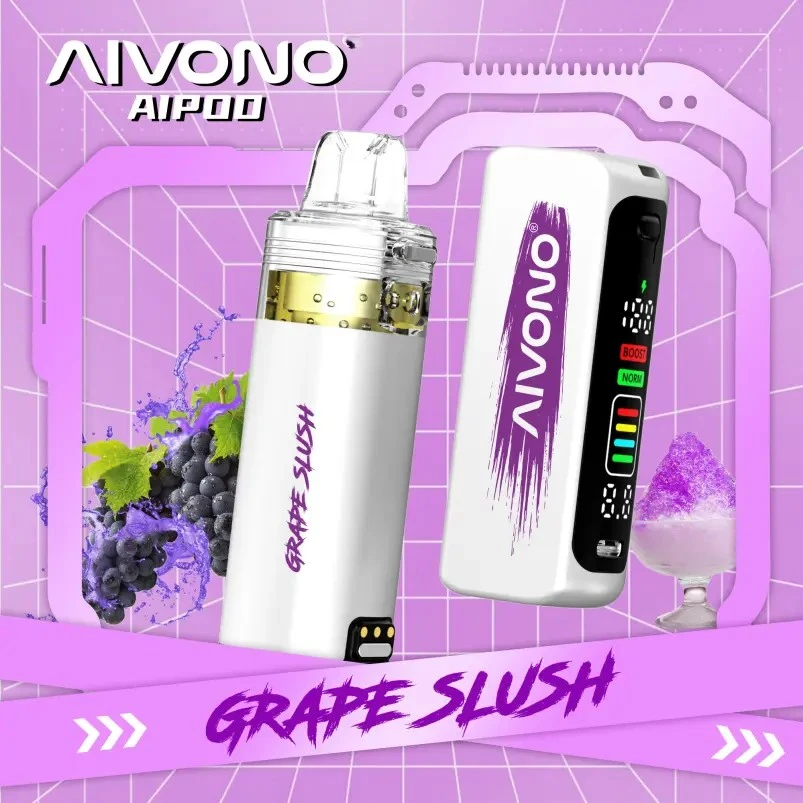
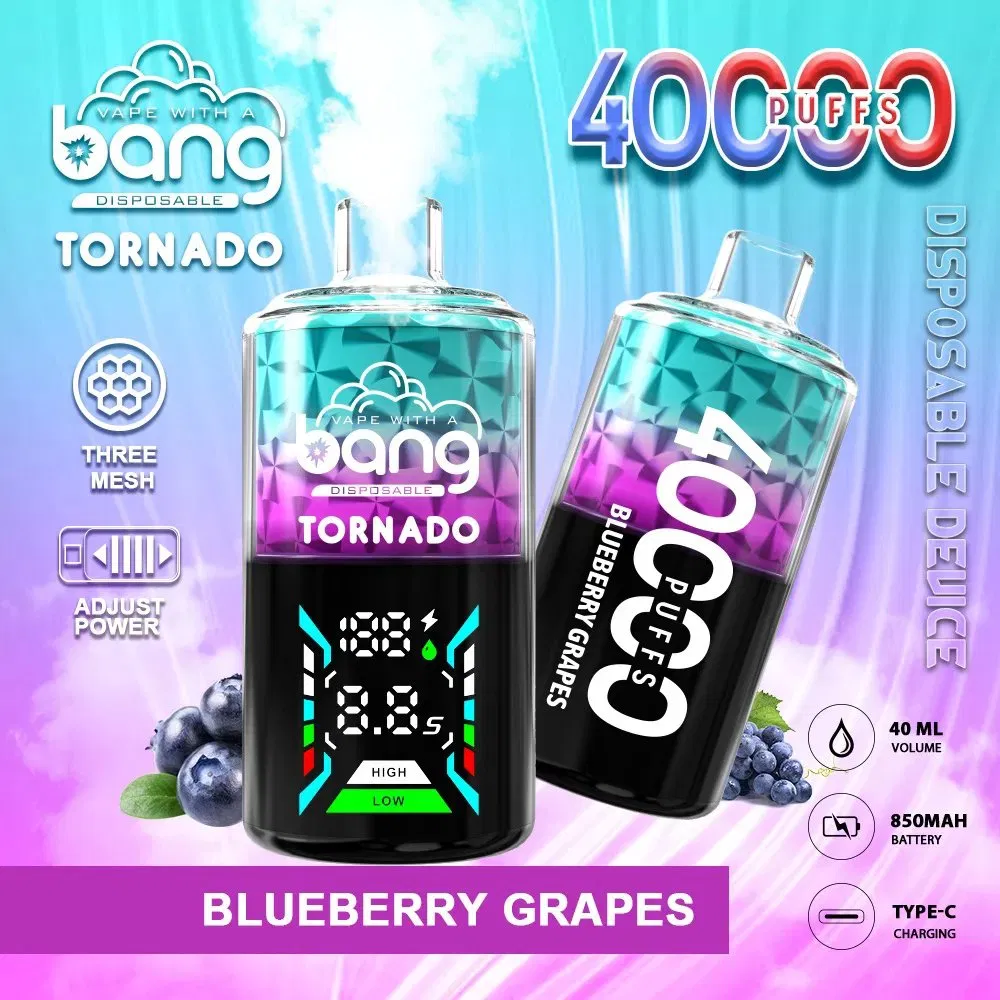
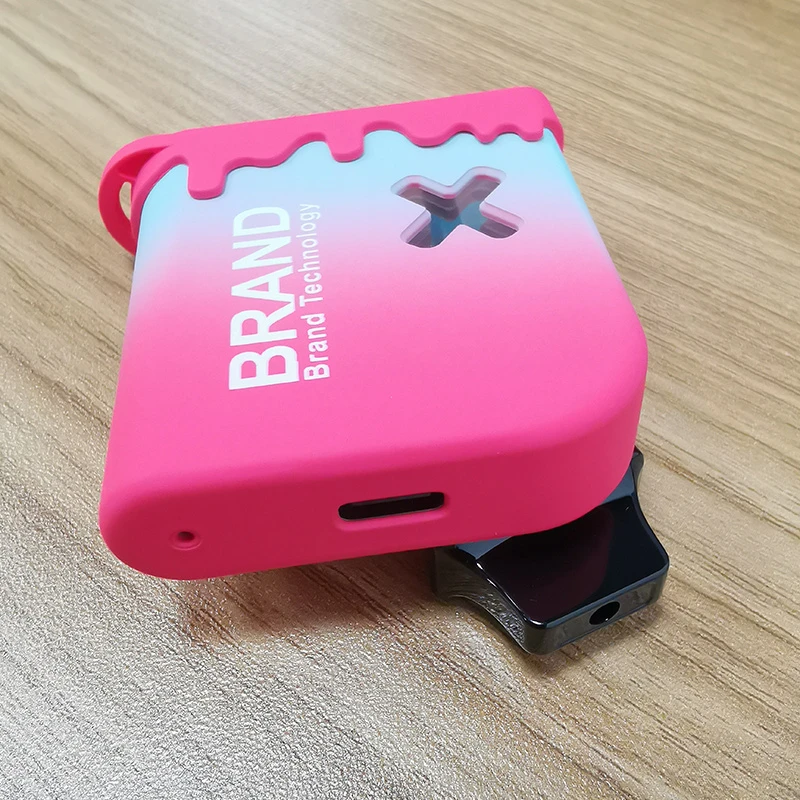
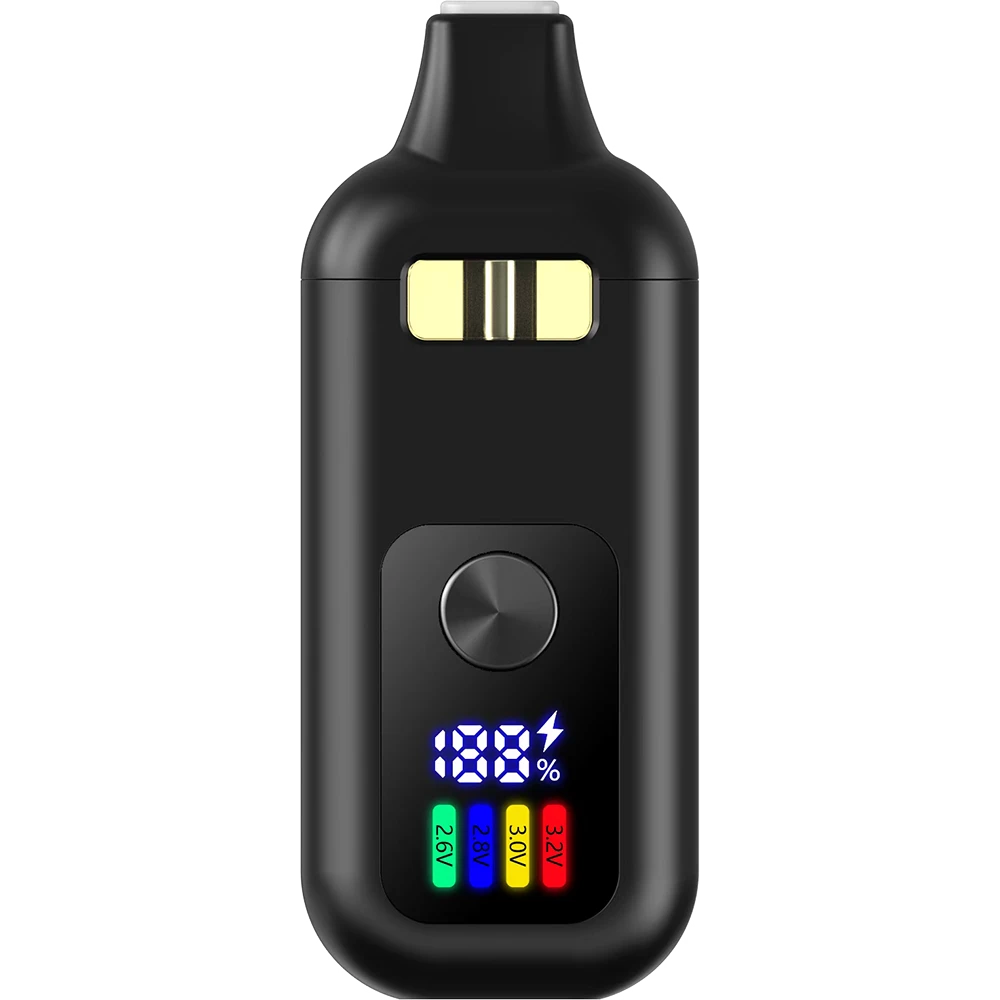
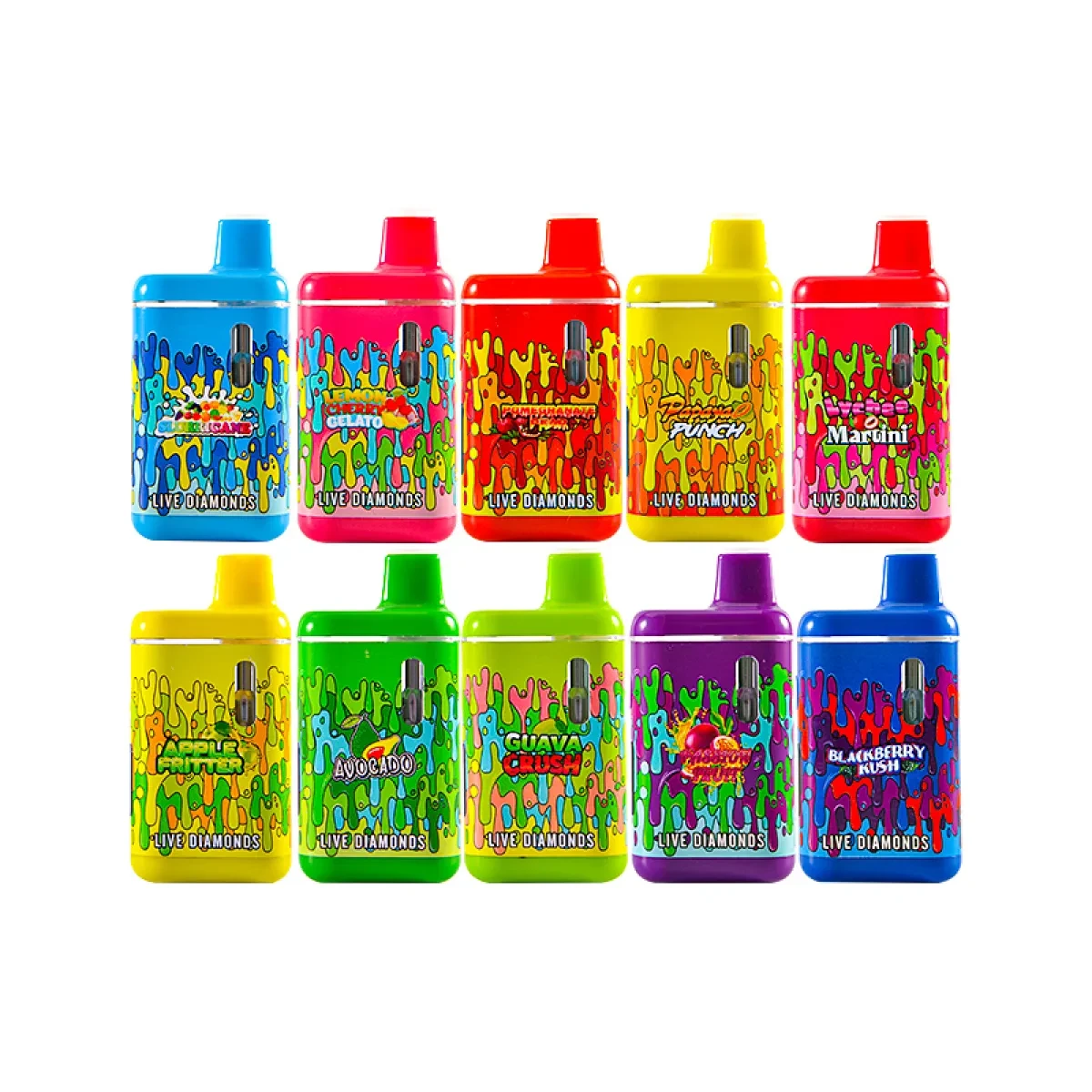
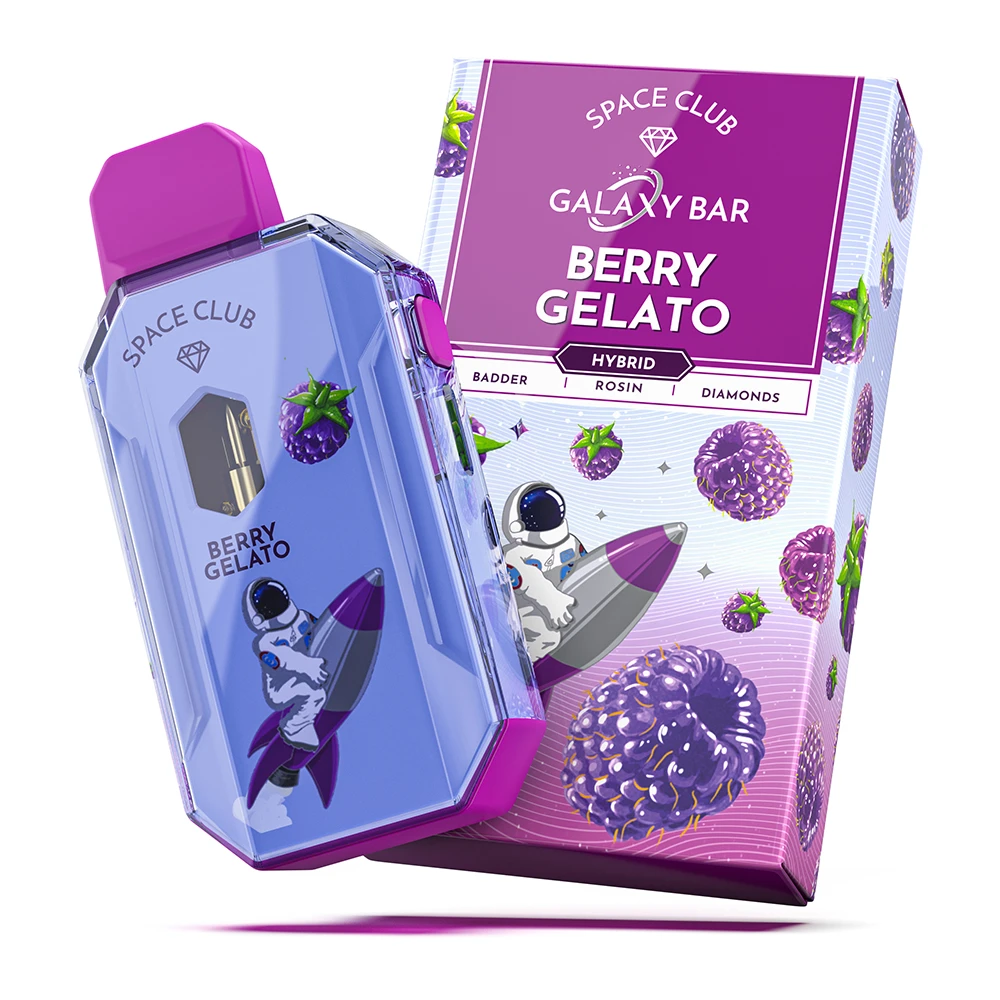
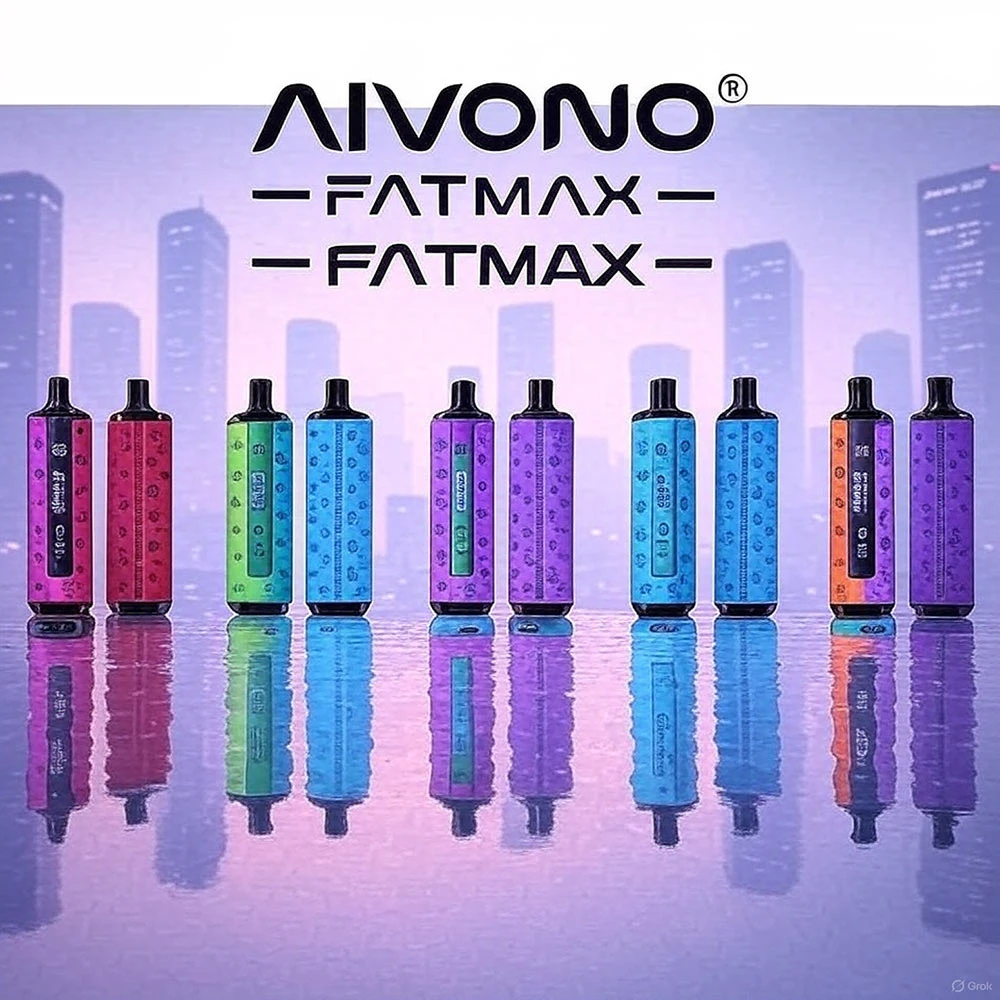
Vaping culture has exploded worldwide over the last decade. From health-conscious smokers seeking alternatives to enthusiasts chasing tailored flavors and device performance, the demand for custom vapes has surged globally. But custom vaping isn’t just a fad — it represents a fascinating intersection of technology, personal expression, and industry innovation. Understanding this niche helps consumers and businesses alike appreciate the benefits of customization, ranging from enhanced user satisfaction to advances in safety and environmental considerations.
According to the World Health Organization (WHO), over 41 million adults vape globally, with rising adoption particularly in North America, Europe, and increasingly in parts of Asia. This growing market fuels a parallel rise in demand for bespoke vape devices — those engineered or assembled to the user’s preferences instead of off-the-shelf products.
But why does customization matter? Globally, vape users are looking beyond simple nicotine delivery: they want unique flavor combinations, ergonomic designs suited to their lifestyle, and devices that optimize battery life or vapor output. Yet, standard products often fail to meet these evolving desires, leaving gaps in satisfaction and, sometimes, safety. That’s where custom vapes come in.
Simply put, custom vapes are electronic vaping devices modified or built to individual specifications. This could be anything from selecting the battery type, adjusting wattage or temperature controls, experimenting with coil resistance, to the device’s outer shell materials and aesthetics.
Rather than mass-produced plastic bodies, many enthusiasts opt for bespoke builds that reflect their identity and usage patterns — whether for discreetness, performance, or flavor purity. Custom vapes respond to the evolving "maker" culture in tech, mirroring trends seen in other niches like personal computing or automotive tuning.
The choice of metals, plastics, or composites affects not only the vape’s look but also its lifespan and safety. Custom devices often use stainless steel or anodized aluminum, improving resistance to wear and controlling heat better than cheaper plastic variants.
Many use interchangeable lithium-ion batteries; some advanced models allow users to control power output precisely — which impacts vapor density and flavor. The ability to swap batteries also means longer uptime and potential cost savings.
Coils made from Kanthal, nickel, or titanium offer different temperature tolerances and flavor profiles, making this a crucial customization point. Users can experiment with coil size, wraps, and resistance to fine-tune their experience.
Modular systems allow replacing or upgrading individual parts without tossing the whole device — fitting for sustainability and personalization. Scalability is key for manufacturers catering to growing custom vape markets.
Some custom vapes integrate digital displays and app connectivity, elevating control over temperature, puff count, or safety cut-offs. This software edge is where vaping meets the Internet of Things (IoT).
| Spec | Typical Custom Vape | Mass-Produced Vape |
|---|---|---|
| Battery Type | Interchangeable 18650/21700 Li-ion | Built-in single-use battery |
| Material | Stainless steel, anodized aluminum | Cheap plastic |
| Power Output | Variable, 5–200 Watts | Fixed, ~15 Watts |
| Customization Scope | Coils, wattage, aesthetics | Limited |
| Software Features | Temperature control, app integration | None |
Oddly enough, while vaping seems quite personal, the ripple effect of custom devices spreads across markets worldwide. In Europe, where strict vaping regulations limit the formulations of liquids, users often turn to custom hardware to achieve desired throat hits or cloud volumes within legal bounds.
In the United States, a booming vape enthusiast community values custom vapes for recreational use and flavor experimentation. Startups across California and Florida often offer custom vapes built to order, focusing on high-tech features and artisanal craftsmanship.
Meanwhile, in Asia, companies are exploring customization to boost product differentiation in competitive markets, with innovation hubs in South Korea and Japan developing vape mods integrated with biometric sensors for safety.
Mini Takeaway: Custom vapes deliver a mix of practical benefits and emotional satisfaction that mass-produced models struggle to match.
There’s a clear trend toward digital integration—vaping mods controlled by smartphone apps, enabling cloud data tracking or even remote locking to prevent misuse. Additive manufacturing (3D printing) is also reducing time and cost for custom shells or accessories.
Sustainability-wise, battery tech is shifting toward solid-state alternatives, promising safer, longer-lasting power sources. Innovations in biodegradable or recycled components hint at greener futures. Regulatory developments may push more transparency in ingredients and device safety standards too.
Of course, there are hurdles. Custom vapes often face higher upfront costs, require technical know-how, and can raise questions about warranty or compliance. Some users struggle with building coils or maintaining devices.
Thankfully, expert communities and user forums provide detailed guides, while certain vendors offer semi-custom kits balancing ease and personalization. Certification programs have started, verifying safe materials and electrical standards to build trust.
| Vendor | Customization Options | Price Range | Support & Warranty |
|---|---|---|---|
| VapeCraft | High-level coil building, battery swaps, exterior colors | $120 - $300 | 1-year warranty, online tutorials |
| ModMasters | Custom firmware, app integration, modular shells | $180 - $350 | 6-month warranty, live chat support |
| EcoVapes | Biodegradable parts, battery replacements | $150 - $280 | 1-year warranty, recycling program |
When it comes down to it, custom vapes offer exciting possibilities far beyond simple smoking alternatives. They push the limits of design, personalization, and technology, much like custom PCs or cars. For users valuing performance, individuality, and sustainability, they’re a logical next step.
If you’re curious to explore or build your own custom vape, why not start with trusted platforms like custom vapes that balance expert craftsmanship with user empowerment?
Mini reflection: Diving into the world of custom vapes feels like stepping into a vibrant tech-meets-art scene. It’s less about smoking and more about self-expression and thoughtful innovation.


Hit enter to search or ESC to close