If you’ve watched the category evolve, you know the line between a classic disposable and a pod mod keeps blurring. The first time I cracked open a disposable rechargeable vape that promised 36k puffs, I thought: really? But after a week of commuter use and a weekend festival, the numbers started to make sense.
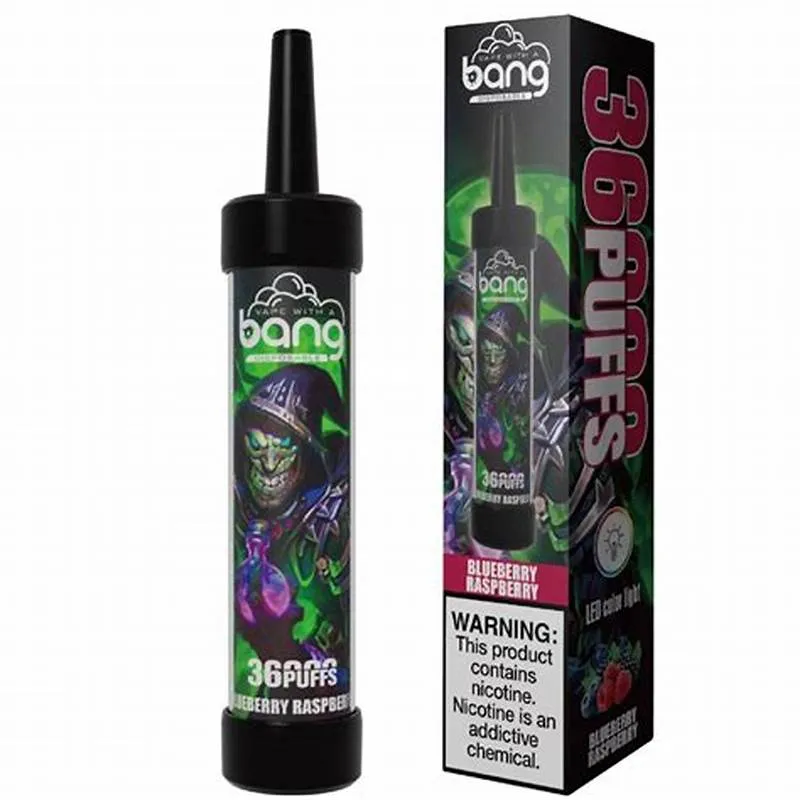
Three currents are shaping the market: ultra-high puff counts, rechargeable micros for waste reduction, and DTL airflow in a disposable format. Retailers tell me customers want fewer rebuys and louder flavor. Brands answer with big reservoirs, efficient coils, and USB-C charging. The BANG Shisha 36000 lands right in that pocket from Shenzhen’s Bao’an district—Origin: No.1216, XinSha Road, Shajing Street, BaoAn Shenzhen—where much of the category is quietly engineered.
| Puff count (rated) | ≈36,000 puffs (real-world use may vary) |
| Coil | 6Ω “Sub-ohm” per spec sheet; tuned for DTL draw (labeling noted) |
| Airflow style | Direct-to-Lung (DTL) |
| Battery | 650 mAh, rechargeable via USB-C |
| Tank design | Double e-liquid tank for extended range |
| Customization | Available: custom label printing, flavor map tailoring |
| Certifications | CE, RoHS; battery tested to UN38.3; IEC 62133 reference |
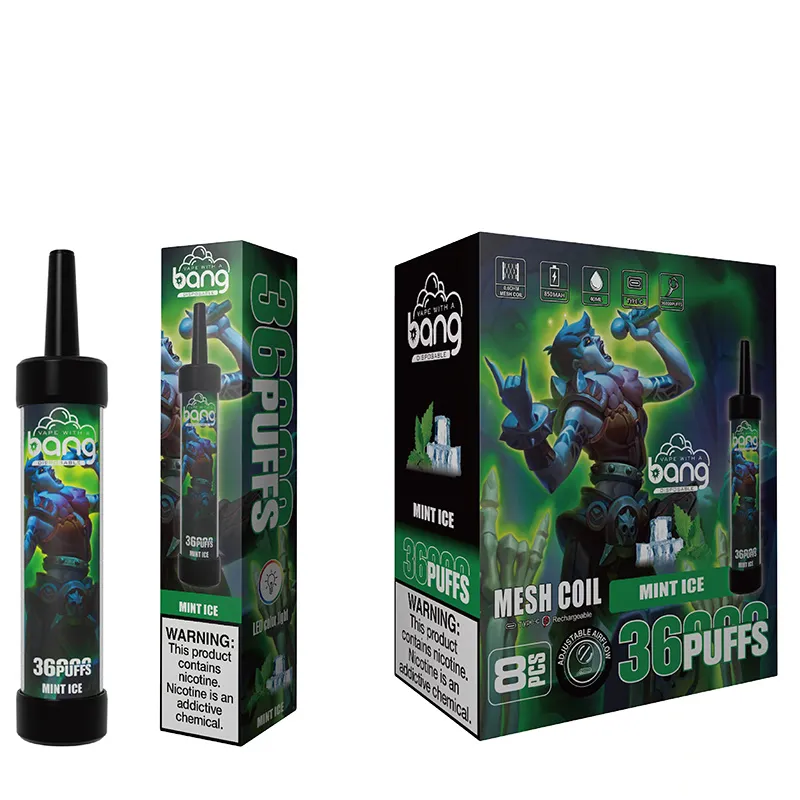
Materials: PC/ABS shell, food-grade e-liquid reservoir, cotton-based wick, and a DTL-oriented coil. Manufacturing runs on ISO 9001-style lines with in-line leak checks. Methods: incoming QC for cells and tanks, automated fill (±0.1 mL), ultrasonic sealing, and 24-hour soak. Testing: UN38.3 transport for the cell; IEC 62133 battery safety; RoHS substance screening; batch puffing rigs at 200–240 mL/min to verify ≥95% of rated puffs. Sample data (engineering lot): leak rate ≈0.15%, coil variance ±0.2Ω, battery cycle retention ≈80% at 300 micro-cycles. Service life: until liquid depletion; typical users recharge the 650 mAh cell multiple times per unit.
Many customers say the double-tank layout keeps flavor consistent near end-of-life. I noticed less “dry edge” on chain pulls than typical high-puff sticks—subjective, yes, but noticeable.
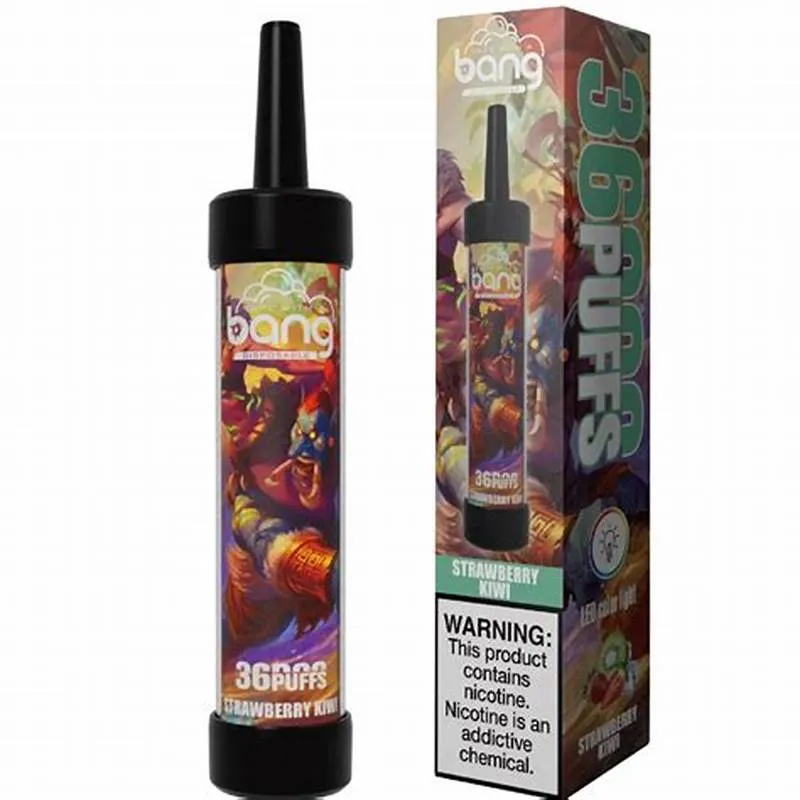
| Model | Puffs | Battery | Coil | Charging | Notes |
|---|---|---|---|---|---|
| BANG Shisha 36000 | ≈36k | 650 mAh | 6Ω DTL (per spec) | USB-C | Double tank; custom labels |
| Competitor A (market avg) | 20–25k | 500–600 mAh | Mesh 0.8–1.2Ω | USB-C | Single tank |
| Competitor B (compact) | 12–15k | 400–500 mAh | 1.0Ω | Micro-USB | Budget option |
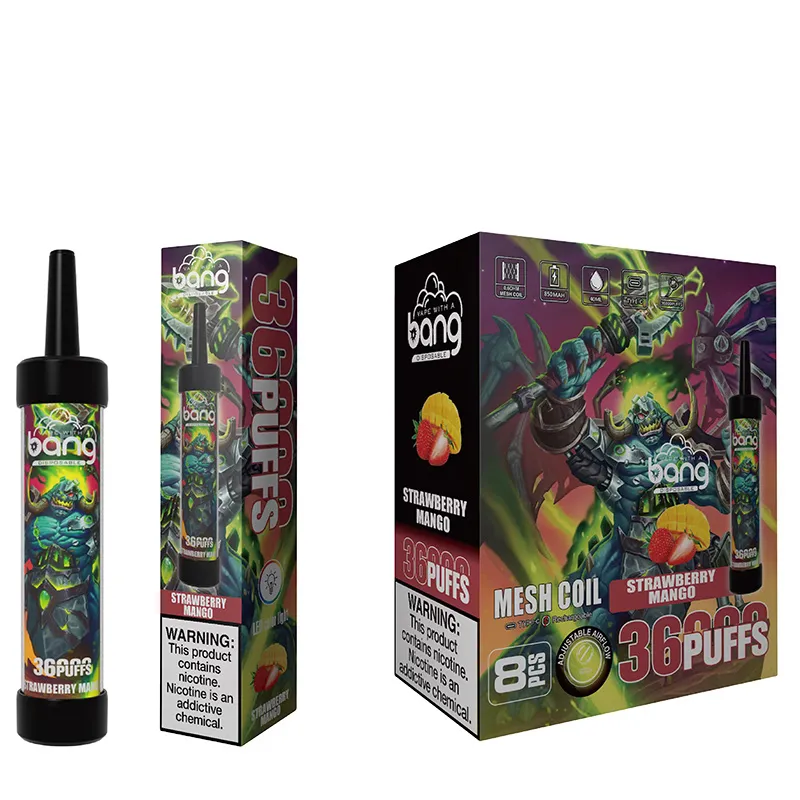
Brand teams can get custom label printing and flavor SKUs aligned to regional regs (TPD in the EU, state rules elsewhere). One convenience chain piloted 8 flavors with a bold colorway; over 60 days, returns were disposable rechargeable vape. Another case: a music-festival operator stocked power-bank kiosks next to the displays; sell-through beat projections by ~18% thanks to the rechargeable angle.
To be honest, that odd coil notation made me double-take. But performance felt firmly DTL. As always, check batch documentation.
Note: Age-restricted product. Follow local regulations. Battery and transport certifications may vary by lot; request current test reports.


Hit enter to search or ESC to close