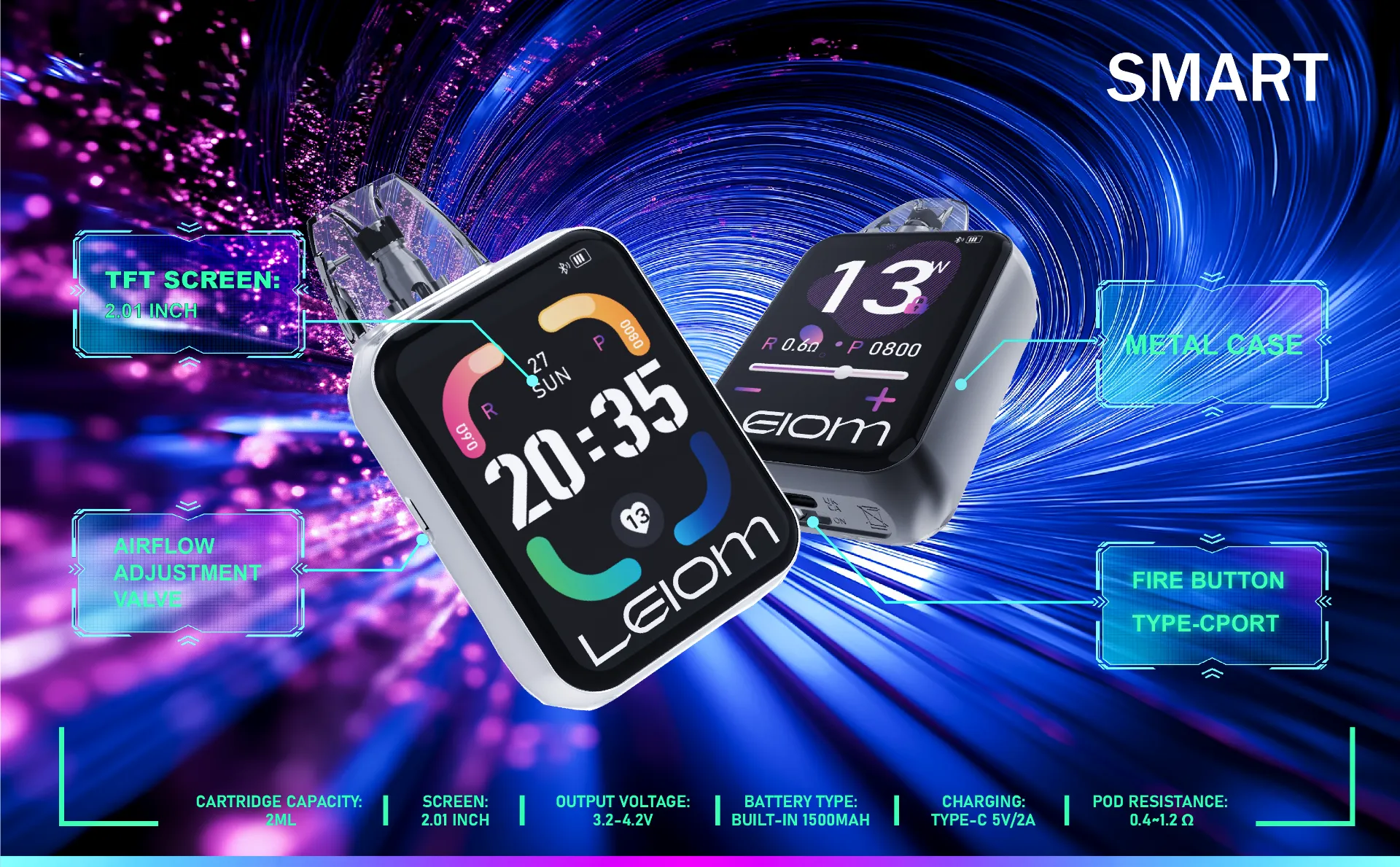
The Global Shift Toward Refillable E Cigarettes: What You Need to Know
Refillable e cigarettes have been reshaping the vaping landscape worldwide over the past decade. They’re more than just a trendy alternative to traditional smoking; they represent a move toward sustainability, cost-effectiveness, and tailored user experiences. Understanding how these devices work and their broader implications is essential not only for consumers but also for public health advocates, manufacturers, and regulators alike.
Why Refillable E Cigarettes Matter on a Global Scale
It’s interesting how vaping has evolved globally. According to the World Health Organization, tobacco smoking remains one of the leading causes of preventable illness. Amid efforts to reduce smoking rates, refillable e cigarettes have surged, with an estimated 68 million users worldwide in 2022 — growing steadily in markets from Europe to Asia and the Americas. The refillable e cigarette addresses several challenges: reducing plastic waste, lowering costs for users, and offering a customizable nicotine intake.
Yet, the debate continues about their health impact and regulation. These devices could reduce harm, but without proper standards, risks loom. That’s where understanding the nuts and bolts really helps.
What Exactly Is a Refillable E Cigarette?
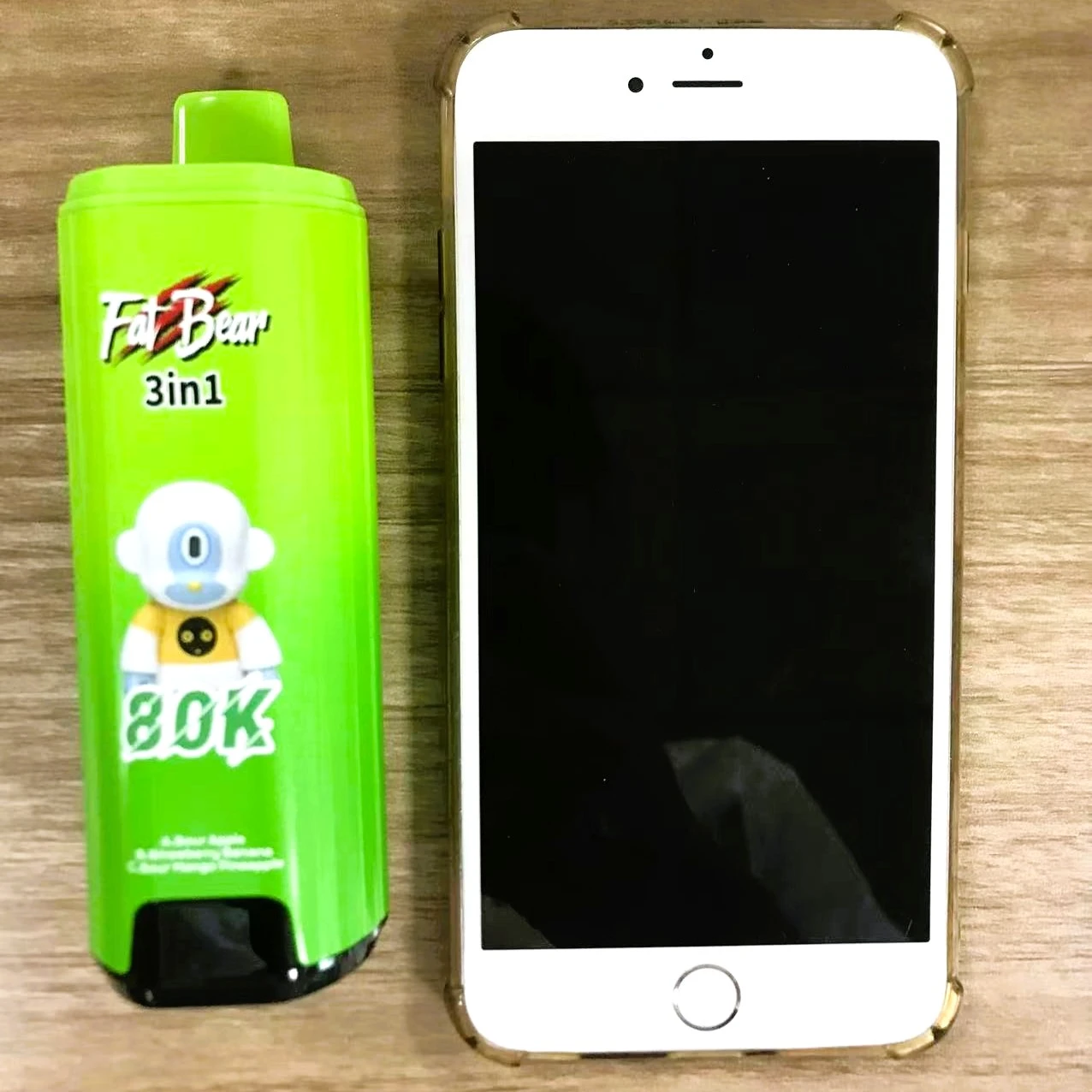
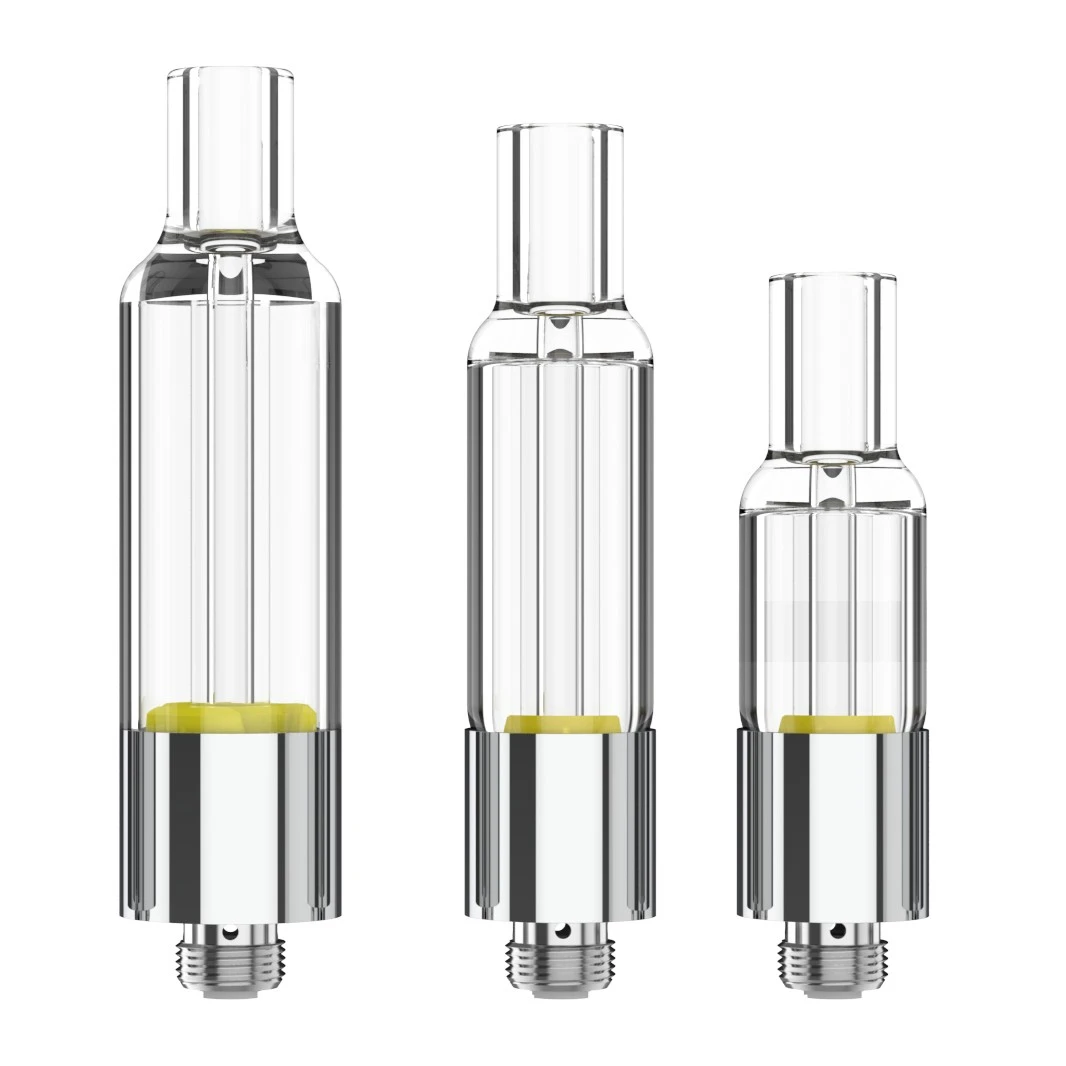
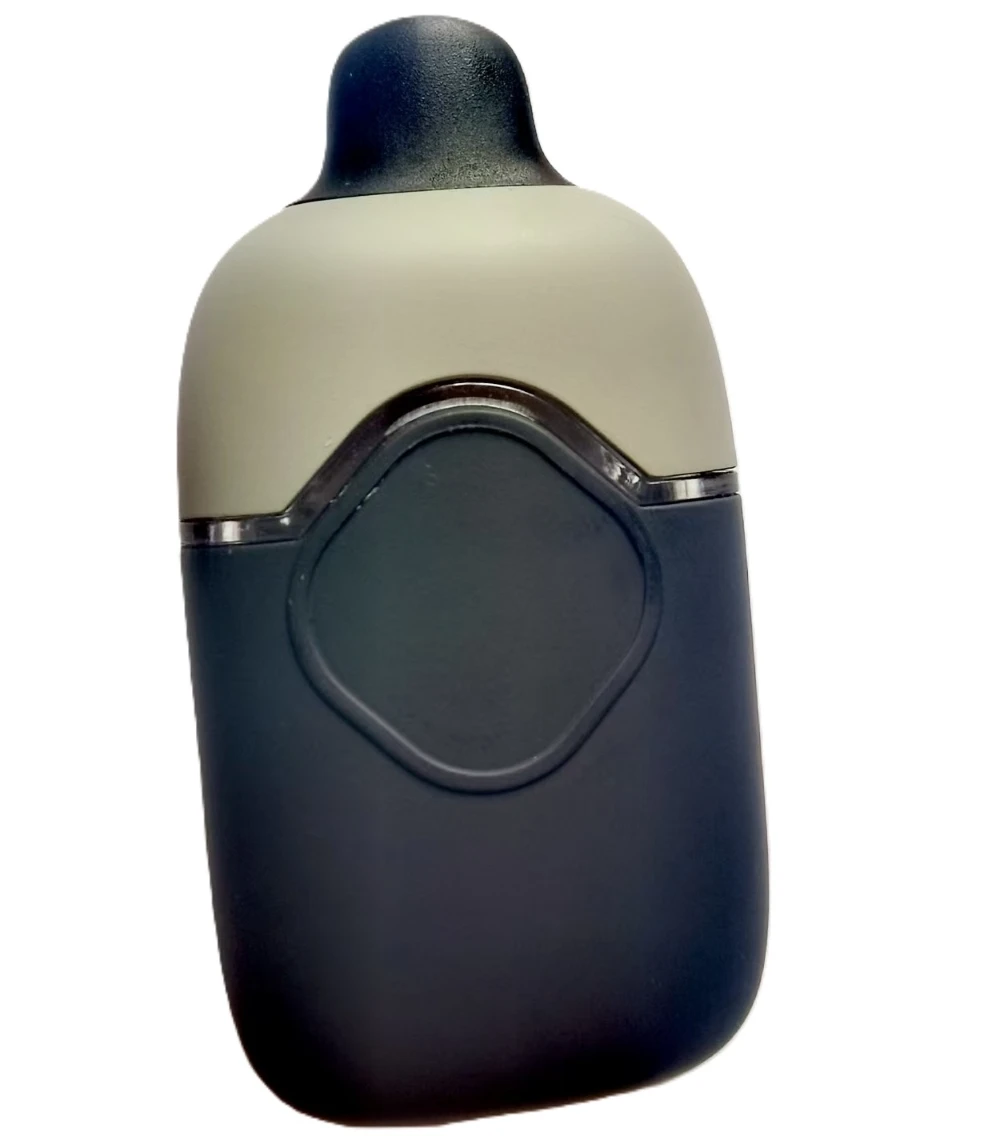
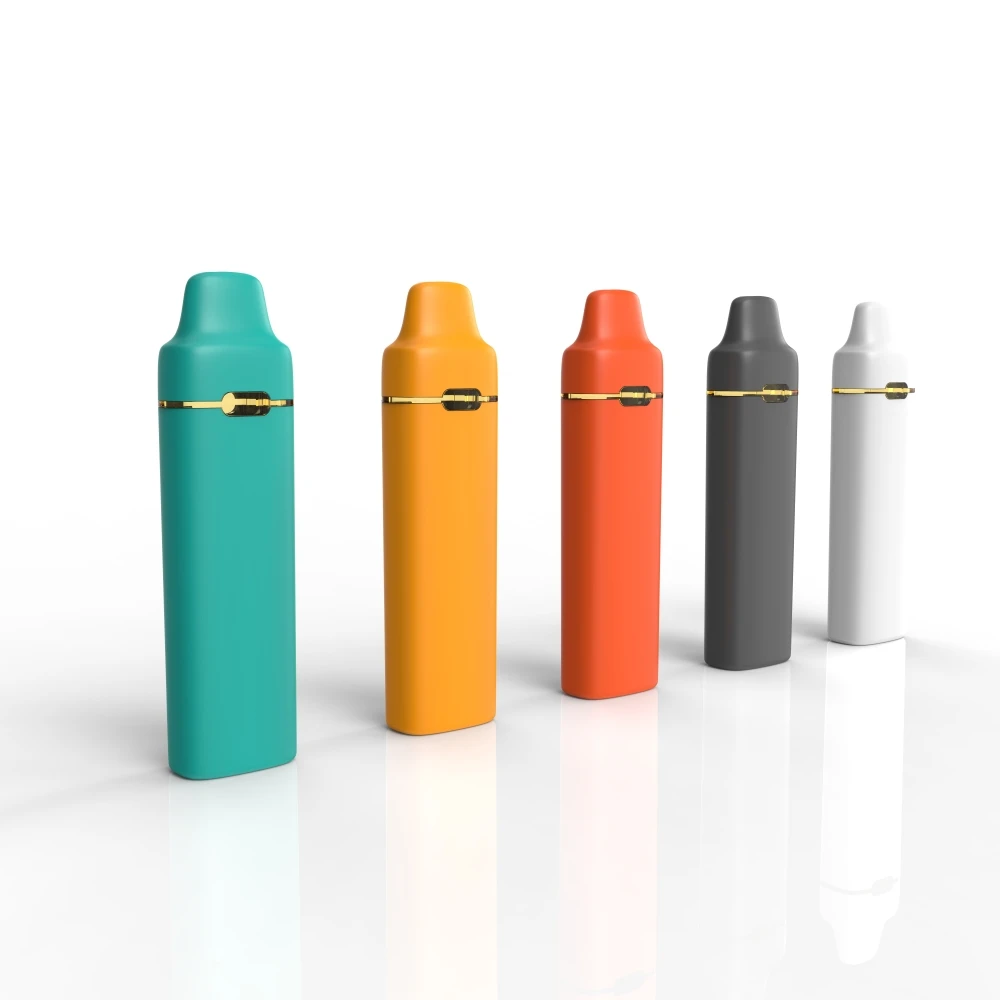
Simply put, a refillable e cigarette (sometimes called a refillable vape) is an electronic device powered by a battery that vaporizes e-liquid (or vape juice). Unlike disposable or pod-based vapes, refillable models allow users to add their own e-liquid, usually via an accessible tank or cartridge. This means you can switch flavors, control nicotine strength, and often save money.
In the bigger picture, these devices dovetail with the modern push toward sustainability — they generate less plastic waste and offer modular components, in contrast to single-use products. The refillable design also aligns with consumers’ increasing demand for personalization and longevity in their gadgets.
Key Features Defining a Refillable E Cigarette
1. Tank Capacity & Material Quality
The tank is the heart of the refillable vape — it stores the e-liquid. Most tanks range from about 2ml to 6ml capacity. Glass or durable polycarbonate tanks are preferred because they withstand heat and prevent leaching. Oddly enough, the build quality here affects both taste and safety fundamentally.
2. Battery Life & Power Output
Battery wattage determines vapor production and temperature control. Refillable e cigarettes typically boast 1000mAh batteries or more for decent usage time. Some models allow users to adjust wattage or voltage — a feature valued by hobbyists who like to tinker.
3. Coil Types & Resistance
Coils heat the e-liquid, and their design impacts flavor and vapor density. Low-resistance coils (sub-ohm) generate huge clouds, whereas higher resistance coils favor a cooler, more discreet vapor. Refillable devices let you swap coils based on preference.
4. User Interface & Controls
Modern refillable vapes often include LED displays, variable wattage controls, and safety protections. These technological touches make it more than a basic gadget — it becomes a customizable experience.
5. Cost Efficiency & Waste Reduction
By using refillable tanks and replaceable coils, users avoid the waste of disposables and pod pods — a substantive plus given rising environmental concerns. It’s a win-win between wallet and planet.
Mini Takeaway: If you think a refillable e cigarette is just about vaping, think again. It’s a platform that blends tech, sustainability, and user choice.
The Real-World Impact: Where Refillable E Cigarettes Are Making a Difference
Across regions, the adoption of refillable e cigarettes varies but is notably strong in Europe, North America, and parts of East Asia. In countries with strict tobacco laws—like the UK—these devices are often embraced as smoking alternatives. Healthcare organizations sometimes support vaping as part of harm reduction strategies.
Industries involved stretch from small vape shops laboring in retail to large manufacturers innovating on materials and safety. In remote areas where traditional tobacco access is limited, refillables provide flexibility and economy to users.
For instance, a tiny vape business in Poland reported a 45% increase in refillable device sales last year, attributed to customers wanting longer-lasting, customizable products. Meanwhile, some NGOs discuss vaping tools for smoke cessation programs in developing countries, though debates continue about ethics and safety.
Refillable E Cigarette Specifications at a Glance
| Specification | Typical Range | Details |
|---|---|---|
| Tank Capacity | 2 - 6 ml | Glass or polycarbonate tanks preferred for durability |
| Battery | 1000 - 2500 mAh | Rechargeable, variable wattage on many models |
| Coil Resistance | 0.1 - 2.5 ohms | Sub-ohm for dense vapor, higher ohm for flavor |
| Weight | 50 - 200 grams | Portable, pocket-friendly designs |
| Price Range | $20 - $120 | Depends on brand and features |
Comparing Leading Refillable E Cigarette Vendors
| Vendor | Product Range | Price Level | Unique Features |
|---|---|---|---|
| VapeMaster | Mid to High-end models | $$$ | Advanced temperature controls, premium build |
| EcoVape | Entry to mid-tier | $ | Sustainable materials, biodegradable tanks |
| CloudStorm | High performance | $$ | Customizable modules, app connectivity |
The Long-Term Benefits of Refillable E Cigarettes
When people talk about refillable e cigarettes, the conversation often drifts to environmental impact first—and rightly so. They reduce the ongoing clutter of disposables, but also save users money in the long run. It’s roughly 30–50% cheaper per month when compared with pods or disposables, according to consumer reports.
On a social note, users appreciate the dignity and control refillables afford. Choosing your own flavor, nicotine strength, and device settings feels empowering — it transforms usage from a habit to a hobby in some circles. That can, paradoxically, encourage more mindful consumption.
Looking Forward: Innovations and Emerging Trends
The refillable e cigarette market is not standing still. We’re seeing stronger pushes toward green materials — biodegradable tanks and coils made from recycled metals. Digitally, some brands integrate app-based controls for personalized vape profiles, usage tracking, and even health feedback.
Moreover, automation in coil manufacturing aims to improve durability and flavor consistency — two persistent challenges. Regulatory frameworks too are evolving, nudging producers to innovate responsibly and improve safety standards.
Common Challenges and Creative Solutions
- Leakage Issues: Some tanks still leak, frustrating users. Many brands now use silicon seals and tightening tech to stop liquid loss.
- Battery Life Limitations: For heavy users, battery endurance can be a pain. Modular batteries and quick-charging tech are addressing this head-on.
- Coil Replacement Confusion: New users sometimes struggle choosing coils. Clear labeling and vendor education programs are helping.
Frankly, no product is perfect, but these ongoing fixes reflect an industry listening closely.
FAQ: Frequently Asked Questions About Refillable E Cigarettes
1. What are the main benefits of refillable e cigarettes compared to disposable ones?
Refillable e cigarettes offer cost savings, greater flavor variety, less waste, and more customization options. Unlike disposables, you only replace the e-liquid and coils, reducing overall expenses and environmental impact.
2. How often do I need to replace the coil in a refillable e cigarette?
Coil lifespan varies, but typically ranges from one to four weeks, depending on usage and e-liquid type. Signs it's time to replace include burnt taste or reduced vapor production.
3. Are refillable e cigarettes safe to use?
While generally considered safer than smoking combustible cigarettes, refillables still contain nicotine and other chemicals. Choosing reputable brands and following user guidelines reduces risks, but consulting health resources is recommended.
4. Can I travel internationally with refillable e cigarettes?
Travel regulations vary by country. Many airports allow devices in carry-on luggage, but e-liquids might be restricted by volume. Always check local laws before flying.
5. Where can I learn more about the environmental impact of vaping products?
Sources like the Wikipedia page on e-cigarettes and reports by the World Health Organization provide detailed insights.
Conclusion: A Sustainable Path Forward with Refillable E Cigarettes
It feels like refillable e cigarettes offer a balanced solution between convenience, cost, and environmental mindfulness. While not without controversy or challenges, their adaptability and evolving design make them noteworthy players in global tobacco alternatives. Curious to explore or switch? Visit https://www.icoolvape.com to check out a range tailored to all needs.
References:
- World Health Organization. Tobacco Facts
- E-cigarette - Wikipedia
- Consumer Reports. Vaping Cost Analysis, 2023.
Post time:Nov - 23 - 2025