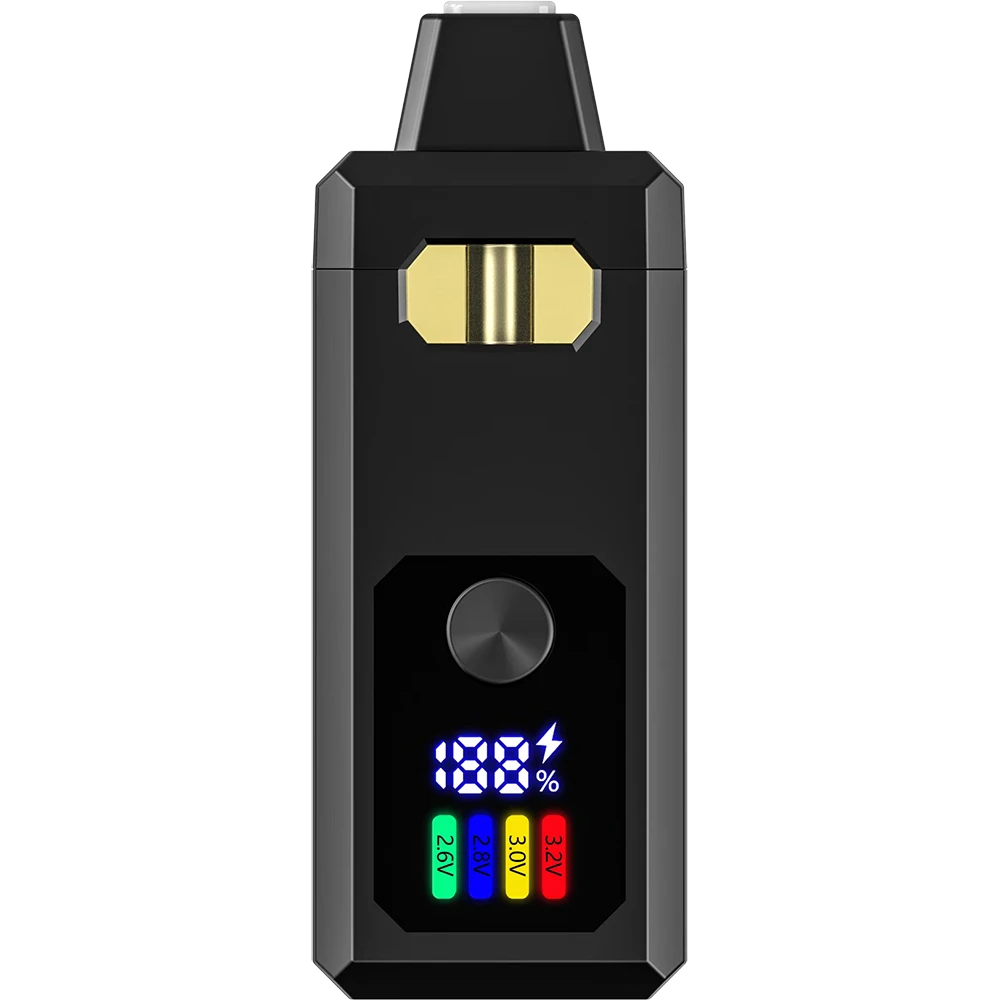
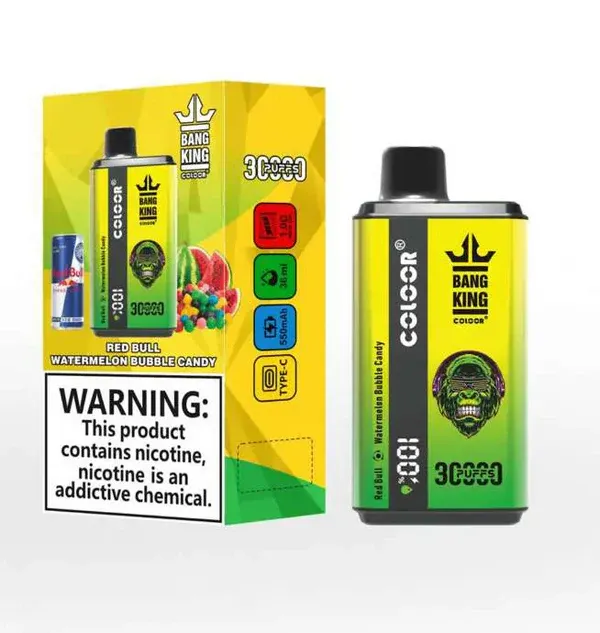
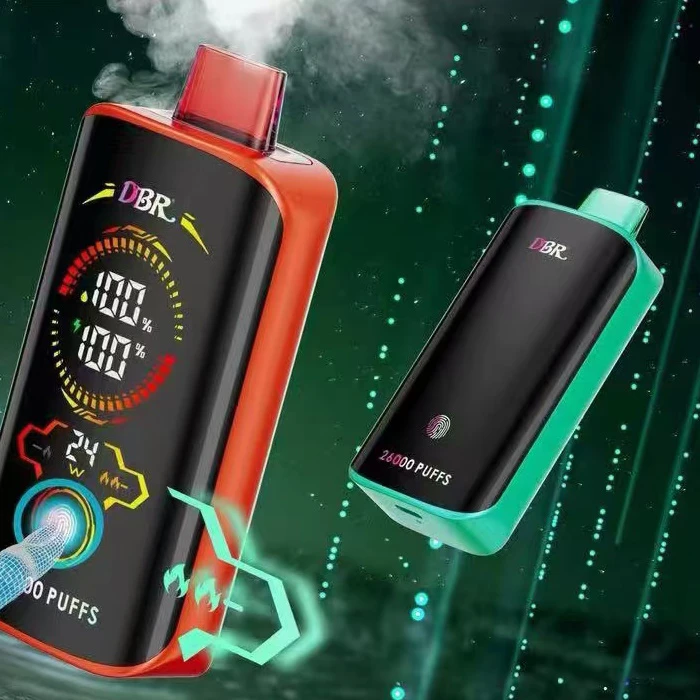
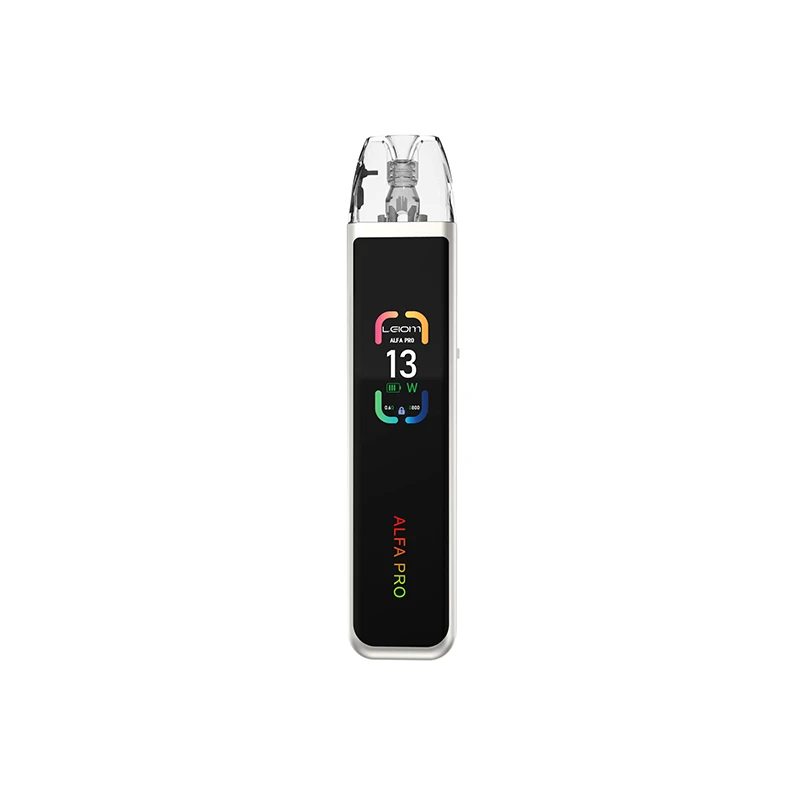
When you think of the price of e cigarettes, what comes to mind? Is it just another retail figure, or something that carries wider significance? Oddly enough, the cost of e-cigarettes isn’t just about pocket change for individual consumers; it’s a key piece in a complex puzzle involving public health, market trends, and even environmental impact worldwide. Understanding the price patterns helps governments regulate better, manufacturers compete smarter, and users make informed choices. Around the world, from the US to Europe and parts of Asia, the economics of vaping are shifting as policies and technologies evolve.
To put it bluntly: getting a handle on the price of e cigarettes unlocks insights into smoking alternatives' accessibility and overall market health — both crucial factors for public policy and industry innovation.
Globally, the vaping market was valued at over $19 billion in 2022 and is expected to grow steadily (Statista, 2023). Countries differ widely in how they tax and regulate e-cigarettes, which directly influences prices. According to the World Health Organization (WHO), rising taxes in Europe have pushed prices up significantly, sometimes discouraging users from switching from traditional cigarettes — a paradoxical challenge given vaping’s harm reduction potential.
For example, in the US, e-cigarette prices typically range from $15 to upwards of $50 per device, with refill liquids varying widely in price. But why does that matter on a broader scale? Well, price impacts everything: who can access these smoke-free alternatives, what kind of products manufacturers develop, and ultimately how smoking rates decline (or stubbornly persist).
However, setting a fair and effective price point is a dilemma. If costs are too high, users might revert to combustible tobacco. Too low, and the industry might attract non-smokers, especially youth — a regulatory nightmare. Thus the pricing of e-cigarettes is a balancing act between public health goals, commercial realities, and technological innovation.
Simply put, the price of e cigarettes refers to the retail cost consumers pay for devices and supplies like e-liquids or pods. But it’s also a reflection of underlying factors: manufacturing expenses, taxes, regulations, demand shifts, and even social attitudes toward vaping. This price influences market penetration, product diversity, and consumer behavior worldwide.
Think of it as a lens through which we can view the vaping industry’s health and the sector’s role within tobacco harm reduction. For many, the price includes more than just dollars and cents; it represents accessibility to a safer nicotine delivery method, which can improve public health outcomes.
The price ties closely to the quality and components used — from proprietary heating elements to battery life, device durability, and e-liquid recipes. Premium materials or specialized tech usually ramp up the cost.
Governments impose excise taxes or import duties varying hugely by region, significantly affecting retail prices. For instance, some European countries add VAT on top of specific vaping taxes, creating a layered cost buildup.
High-end brands focus on design, user experience, and branding can charge a premium. In contrast, budget options rely on volume sales and affordability. Marketing expenses often feed directly into the consumer price tag.
Devices with newer features—adjustable wattage, longer battery life, or customizable pods—tend to carry higher prices. Innovations in nicotine salts or synthetic nicotine liquids also influence pricing structures.
Whether you buy online, at vape shops, or convenience stores affects the cost you’ll pay. Retail markup combined with shipping, logistics, and import tariffs can add up, especially for niche products.
The price of e-cigarettes is shaped by a cocktail of factors — from raw materials and taxes to innovation and marketing. This makes pricing a fascinating study of both industry dynamics and consumer trends.
The pricing of e-cigarettes plays a critical role in different regions:
For example, in post-disaster relief, some NGOs have explored pricing models that could make temporary e-cigarette provision a tool for reducing tobacco-linked illnesses among displaced populations — that’s a niche but innovative application.
Knowing the factors behind e-cigarette costs helps everyone — from consumers budgeting their switch away from smoking to regulators aiming to curb youth uptake without stifling harm reduction. The value here is twofold:
Plus, there’s the user angle: paying a reasonable price for a reliable device builds trust and encourages long-term cessation success. After all, it’s not just about affordability but getting value and safety too.
| Specification | Standard Price Range | Description |
|---|---|---|
| Starter Device | $15 - $30 | Basic battery and coil, used by beginners |
| Advanced Mod | $40 - $70 | Adjustable power and longer battery life |
| E-liquids (per 30ml) | $8 - $25 | Various nicotine strengths and flavors |
| Pods/Cartridges | $10 - $20 (4-pack) | Pre-filled or refillable, for use with pod systems |
| Vendor | Price Range | Key Features | Global Availability |
|---|---|---|---|
| VapeCo | $20 - $60 | Innovative designs; strong USA presence | North America, Europe |
| PureVape | $15 - $40 | Affordable starter kits; vast flavor options | Asia-Pacific, Europe |
| CloudMist | $30 - $75 | Premium build, customizable mods | Global |
Looking ahead, a few things will shake up e-cigarette pricing:
It’s an industry in flux, and prices will likely reflect that constant innovation and policy interplay.
One major challenge: balancing affordability for smokers looking to switch against preventing teen vaping uptake. Many experts call for flexible tax mechanisms and transparent supply chains. Also, counterfeit products can distort market prices and harm consumers — which makes brand reputation and quality assurance even more crucial.
Some promising solutions include tiered taxation based on nicotine strength or device type, education campaigns tied to pricing transparency, and tech-enabled anti-counterfeit measures.
At the end of the day, the price of e cigarettes is much more than a line item on a shopping list. It’s a mirror reflecting market forces, public health priorities, and tech innovation. Smart pricing strategies can foster healthier choices, support responsible businesses, and ultimately save lives. If you want to dive deeper into current models and trends around pricing, or even check out some current deals, visit our site at https://www.icoolvape.com. It’s a good place to start understanding what kind of investment switching might actually require.
Pricing in the e-cigarette world is a tricky but essential lens to understand how this booming industry balances accessibility with innovation and regulation.


Hit enter to search or ESC to close