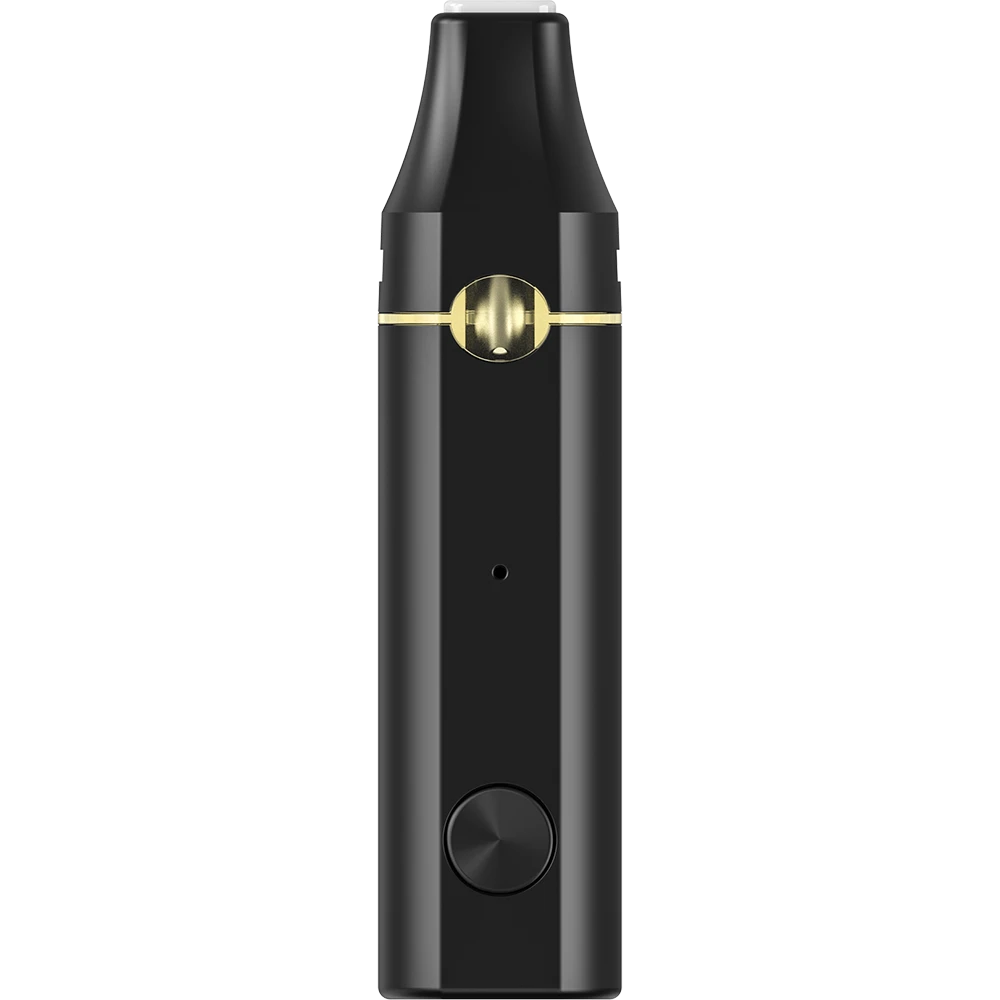
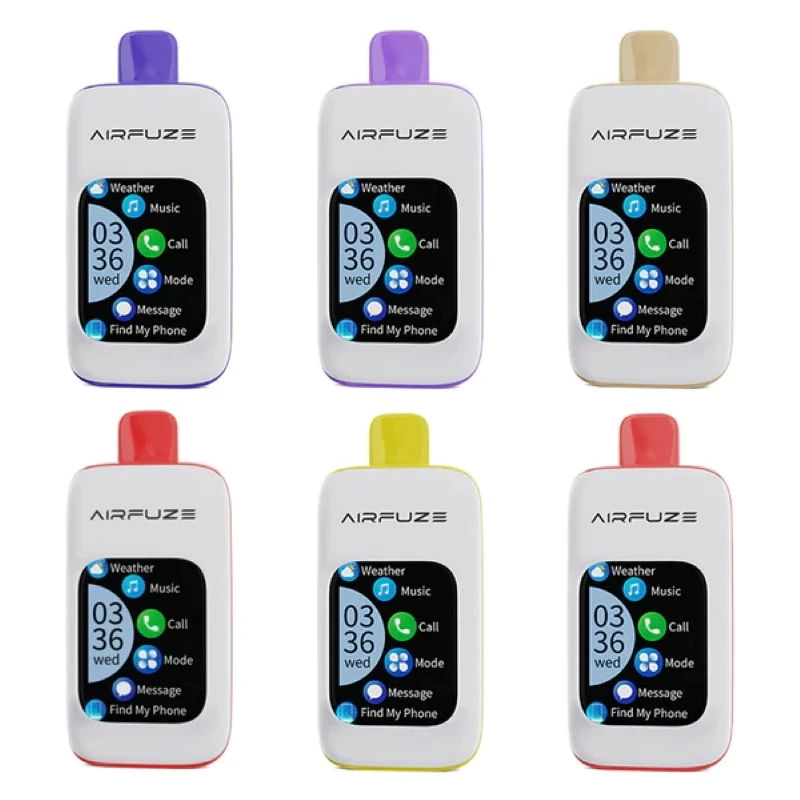
At first glance, “e cigarette price” might sound like a straightforward search term — after all, how complicated can the cost of an electronic cigarette be? Yet, dive a little deeper and you’ll find there’s a whole global web of factors influencing just how much you pay at the counter. From manufacturing processes, material quality, international regulations, to evolving technologies and market demand, those numbers actually tell quite a bit about the industry’s trajectory and user experience. It’s more than the sum of its parts; understanding e cigarette pricing can shine a light on accessibility, safety, innovation speed, and even how vaping interfaces with public health policies worldwide.
Mini takeaway: The price of an e cigarette reflects a complex balancing act between technology, regulation, and user expectations, intricately tied to global trends in health and commerce.
Globally, vaping has transformed from a niche curiosity into a multibillion-dollar industry practically overnight. According to a World Health Organization report, the vaping market was valued at over $15 billion in 2023, and growth projections remain bullish. But that growth isn’t without hiccups. Pricing plays a big role here: it impacts consumer adoption rates, regulatory tax structures, and even illicit trade volumes.
For instance, some countries impose hefty taxes or restrictions, inflating the price sharply and prompting users to seek cheaper — sometimes unsafe — alternatives. Others promote affordability to encourage smokers to switch from combustibles to less harmful vaping options. It’s a tug-of-war between public health goals and industry economics.
Of course, price variations globally can also be a challenge for cross-border trade and regulatory compliance. Take ISO standards around battery safety or liquid composition: meeting those standards requires manufacturers to invest accordingly, inevitably nudging prices upward.
Kind of reminds me of any tech product really. The cheapest gadget you find might lack crucial safety checks, while top-tier models steeply pricier could last years.
Mini takeaway: E cigarette pricing is shaped by diverse global factors including taxation, regulation, and adherence to quality standards, influencing market accessibility and safety.
Simply put, e cigarette price is the retail or wholesale cost a consumer pays to purchase an electronic cigarette device or its consumables (like e-liquid and coils). But breaking it down: the cost reflects raw materials — like stainless steel, batteries, heating elements — the tech inside (digital controls, temp sensors), branding, compliance costs, and distribution.
On a human level, the cost also deeply relates to harm reduction goals. More affordable, reliable devices may encourage smokers to transition away from traditional cigarettes, which is a win for public health. Conversely, high prices can deter new users or push them towards black markets.
Mini takeaway: Beyond hardware, e cigarette price encapsulates tech, safety compliance, and its impact on consumer behavior and health outcomes.
The choice of materials — stainless steel versus cheaper alloys, glass tanks versus plastic — can swing prices significantly. A device with superior build quality will last longer and perform reliably, which many vapers are happy to pay for.
Digital screens, temperature control, battery life, and smart-chip integration add layers of complexity and cost to production. Older “cigalike” models usually come in cheap, but emerging mods can be quite pricey.
Trusted brands often price higher, riding on their reputation for safety and innovation. Additionally, international shipping, taxes, and retailer markups add their slice.
Heavy taxation or compliance with strict safety standards can drive final prices northward, varying widely by country or region.
Replacement coils, pods, and e-liquids contribute to ongoing costs and often influence consumer choice of device upfront.
Mini takeaway: Material choice, tech sophistication, branding, regulatory environment, and consumables each shape the final price tag consumers face.
| Specification | Basic Model | Advanced Mod | Pod System |
|---|---|---|---|
| Average Retail Price (USD) | $25 - $40 | $80 - $150 | $30 - $60 |
| Battery Life | 6-8 hours | 12-24 hours | 8-12 hours |
| Material | Plastic & Steel | Stainless Steel & Glass | Aluminum & Plastic |
| Tech Features | None / Basic | Temperature Control | Pod Detection Sensors |
E cigarette pricing varies dramatically depending on the region and its prevailing regulatory and economic context. In Europe, for example, stricter regulations push device prices higher — but they also help ensure safety. In the US, the wide array of product types creates a broad price spectrum for users, from budget starters to premium devices.
Markets in Asia, where many devices are manufactured, sometimes see very low user prices, yet quality control can be inconsistent. African and South American countries typically face higher costs due to import tariffs and limited local availability.
Common real-world examples reveal that NGOs distributing harm reduction tools in low-income areas carefully choose devices balancing cost and reliability. In urban centers, premium e-cigarette lounges emphasize higher-end models reflecting a different consumer profile.
Mini takeaway: E cigarette prices align closely with local economic, regulatory, and cultural factors, influencing access and consumer choices worldwide.
When you think of the benefits tied to e cigarette price, it’s more than just saving a few dollars. Reasonable pricing fosters accessibility, helping users switch from combustible tobacco — which is widely harmful. Moreover, competitively priced devices often encourage manufacturers to innovate sustainably, pushing for quality without unnecessary cost bloating.
On the emotional side, affordable, reliable vaping solutions can build consumer trust and support smokers’ dignity in their quitting journey. It’s innovation combined with empathy.
Looking ahead, expect digital transformation and green energy to influence pricing profoundly. Smart devices that connect to apps for monitoring use or offer personalized feedback might carry a premium initially, but mass adoption could balance costs.
Meanwhile, materials science advancements could bring down prices by introducing safer, recyclable components. Regulatory shifts towards harmonized standards globally could reduce compliance costs but potentially increase retail prices in some markets.
Despite clear benefits, challenges around counterfeit products, inconsistent quality, and tax-driven price hikes persist. This landscape can confuse consumers and slow switch-over from traditional cigarettes.
Yet, many manufacturers collaborate with regulators to improve transparency and encourage fair pricing. Innovations in secure packaging and international cooperation on quality standards offer hope.
| Vendor | Price Range (USD) | Warranty | Material Quality | Global Shipping |
|---|---|---|---|---|
| VapeMaster | $30 - $120 | 1 year | Moderate | Yes |
| CloudVape | $50 - $200 | 2 years | High | Limited |
| EcoVape | $25 - $100 | 6 months | Eco-friendly | Yes |
Prices differ because of factors like build materials, embedded technology, brand reputation, and warranty. Premium brands invest in research and use higher-quality components, which increases production costs and consumer prices. Simpler, no-frills devices are cheaper but might not offer the same durability or safety certifications.
Many governments tax e-cigarettes as a way to generate revenue or discourage youth uptake. These taxes vary widely and can add 10% to over 50% to the retail price. In places with high taxation, consumers might resort to unregulated imports or black market products, which can pose health risks.
Not always. Cheaper devices may lack rigorous safety testing or use lower-quality batteries, increasing the risk of battery failures or harmful emissions. It’s wise to buy from reputable vendors who comply with recognized safety standards.
Research brands online, read reviews, and consider after-sale support. Often, mid-tier devices offer the best balance of price and quality. Using platforms like e cigarette price comparison sites can help identify deals and trusted options.
Likely yes. As innovations scale up and manufacturing improves, production costs tend to drop, which can make safe and effective devices more affordable. However, regulatory changes might offset some of those savings.
The e cigarette price is more than just a number on a label. It’s a reflection of technology, safety, market dynamics, and global health goals — a reminder that what we pay matters deeply. By learning the nuances behind pricing, consumers can make wiser choices, and manufacturers can innovate responsibly. So next time you wonder if a device is “worth it,” think about the story its price tells.
Curious to explore the latest and most competitive e cigarette price options? Visit our website — there’s a world of quality and value waiting.


Hit enter to search or ESC to close