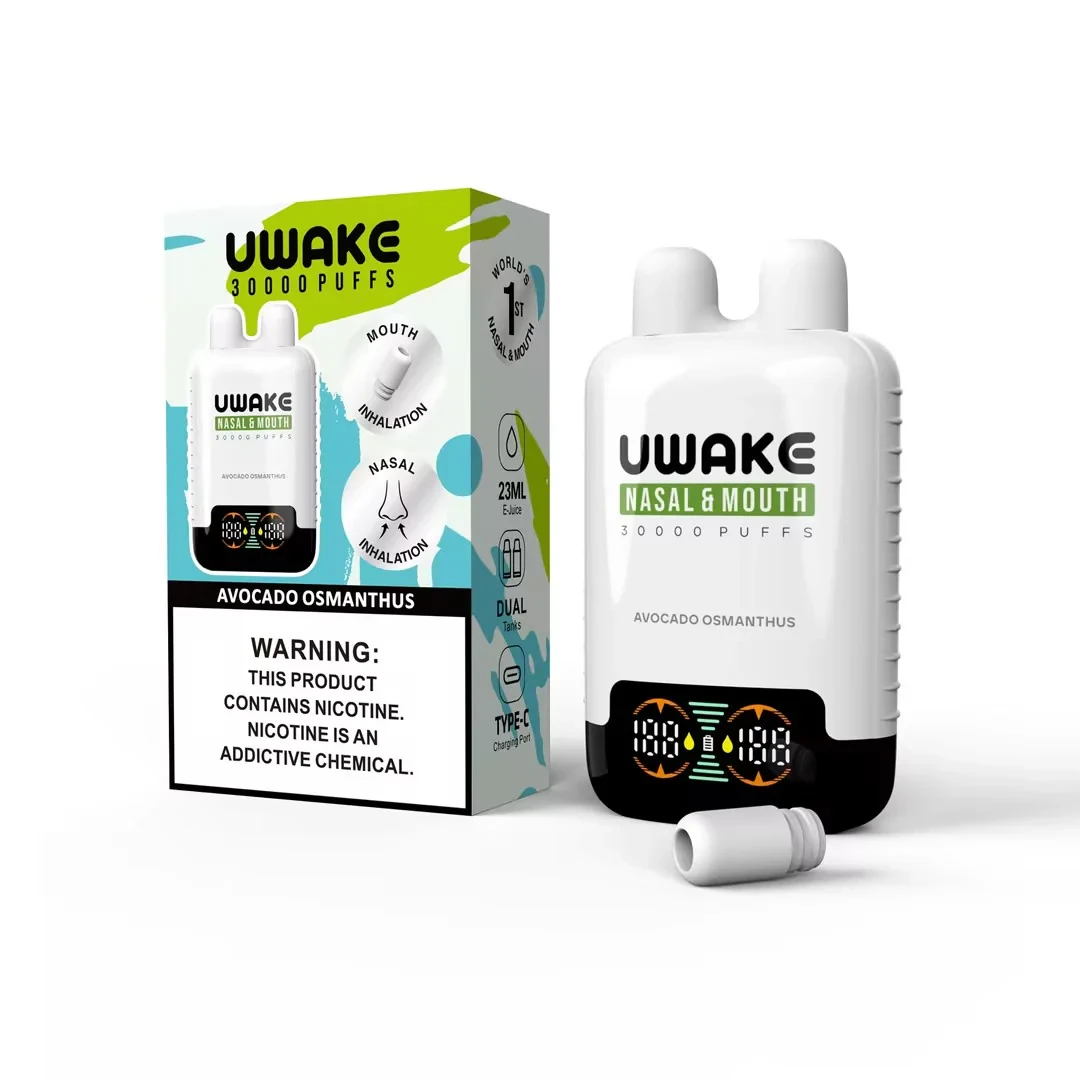
If you’re wondering why disposable e cigarette price keeps popping up in conversations — both online and offline — you’re not alone. These pocket-sized, one-time-use vaping devices have transformed the tobacco industry in a pretty short time. Their price point plays a huge role in consumer accessibility, market expansion, and even in efforts to regulate the vaping scene worldwide.
Globally, vaping is booming, with markets expected to grow annually by double digits according to reports from the World Health Organization and various trade groups. But here’s what’s interesting: the cost of these disposable e-cigarettes affects everything from user adoption rates to regulatory scrutiny, making it crucial to understand for anyone interested in health, business, or tech innovation.
In this article, we’ll peel back the layers — what drives the price, who benefits, challenges in affordability and supply, and some trends that might just surprise you. Spoiler: it’s more than cheap convenience; it’s a global snapshot of changing habits and industries.
The disposable e cigarette price is a topic that spans geography and economy. To place this in perspective, vaping users worldwide numbered around 68 million in 2022, a figure expected to climb steadily.1 This growth reflects shifts in regulatory policies, social trends, and product innovation.
However, affordability remains a double-edged sword. In lower-income regions, consumers often rely on budget-friendly disposables, while wealthier markets might prefer reusable devices. The disposable e cigarette price thus becomes a crucial indicator for market segmentation and health campaign targeting.
Challenges arise too. Balancing price with product safety is a global concern. Cheaper disposables may cut corners in quality or safety, sparking debates among regulators and industry stakeholders.
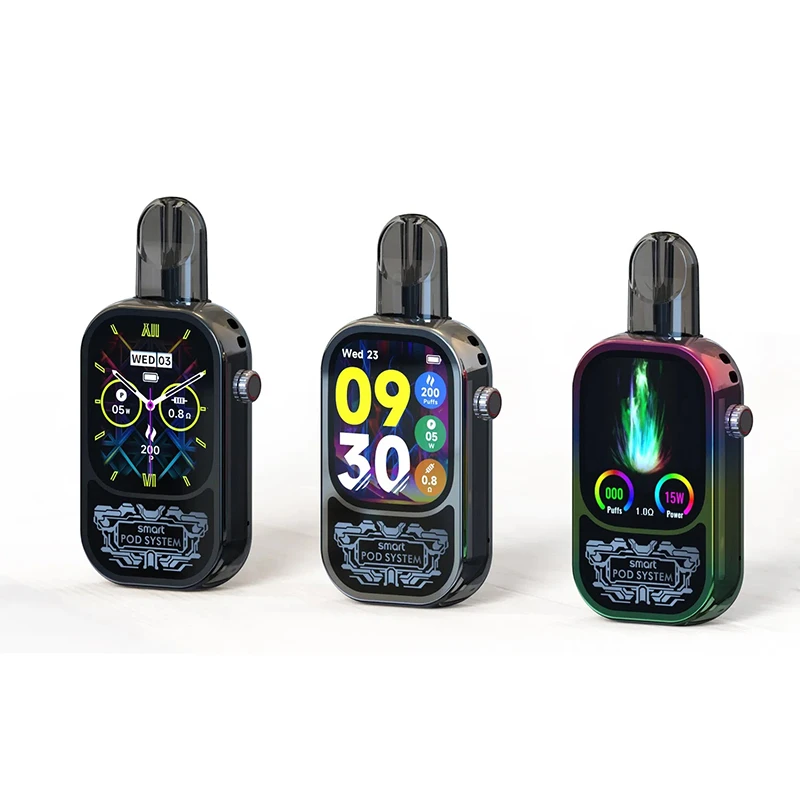
At its core, the disposable e cigarette price is the retail or wholesale cost consumers pay for these single-use vaping devices. Unlike refillable e-cigarettes, disposables come pre-filled, pre-charged, and ready to vape — meaning no maintenance or refilling hassles.
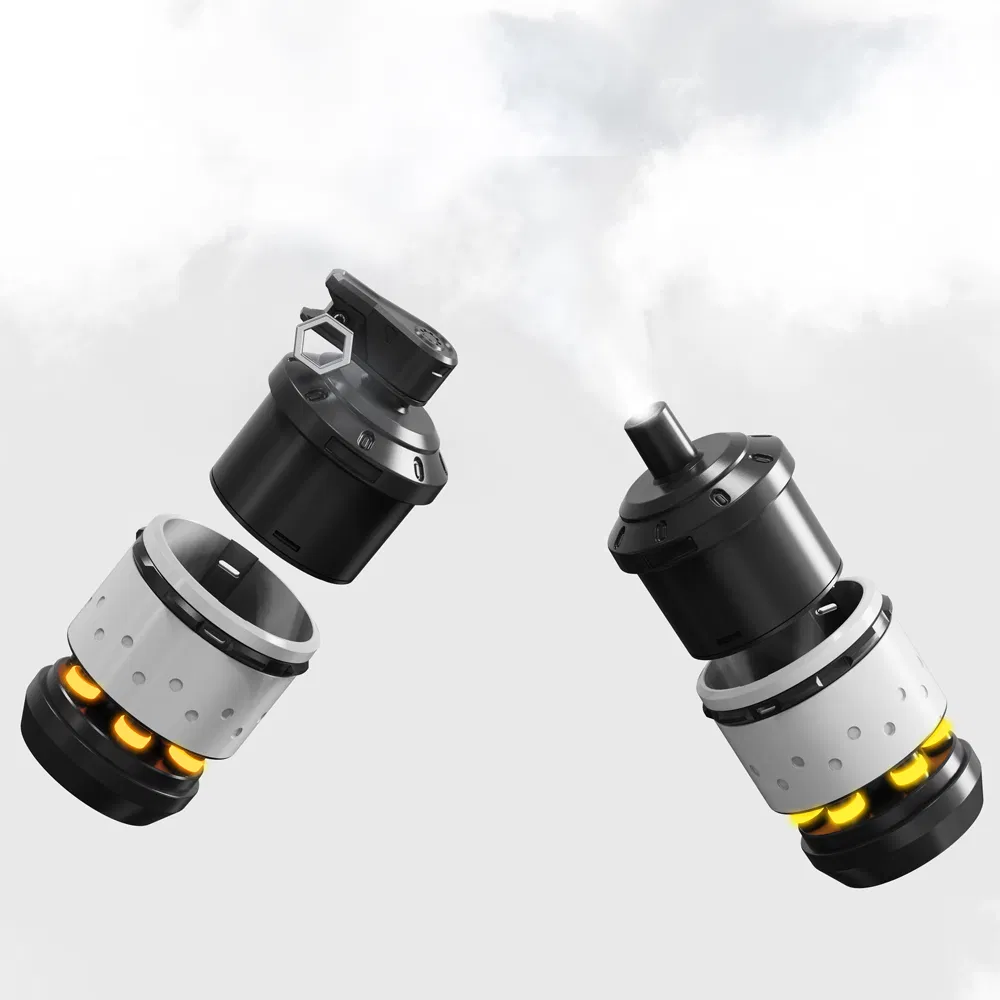
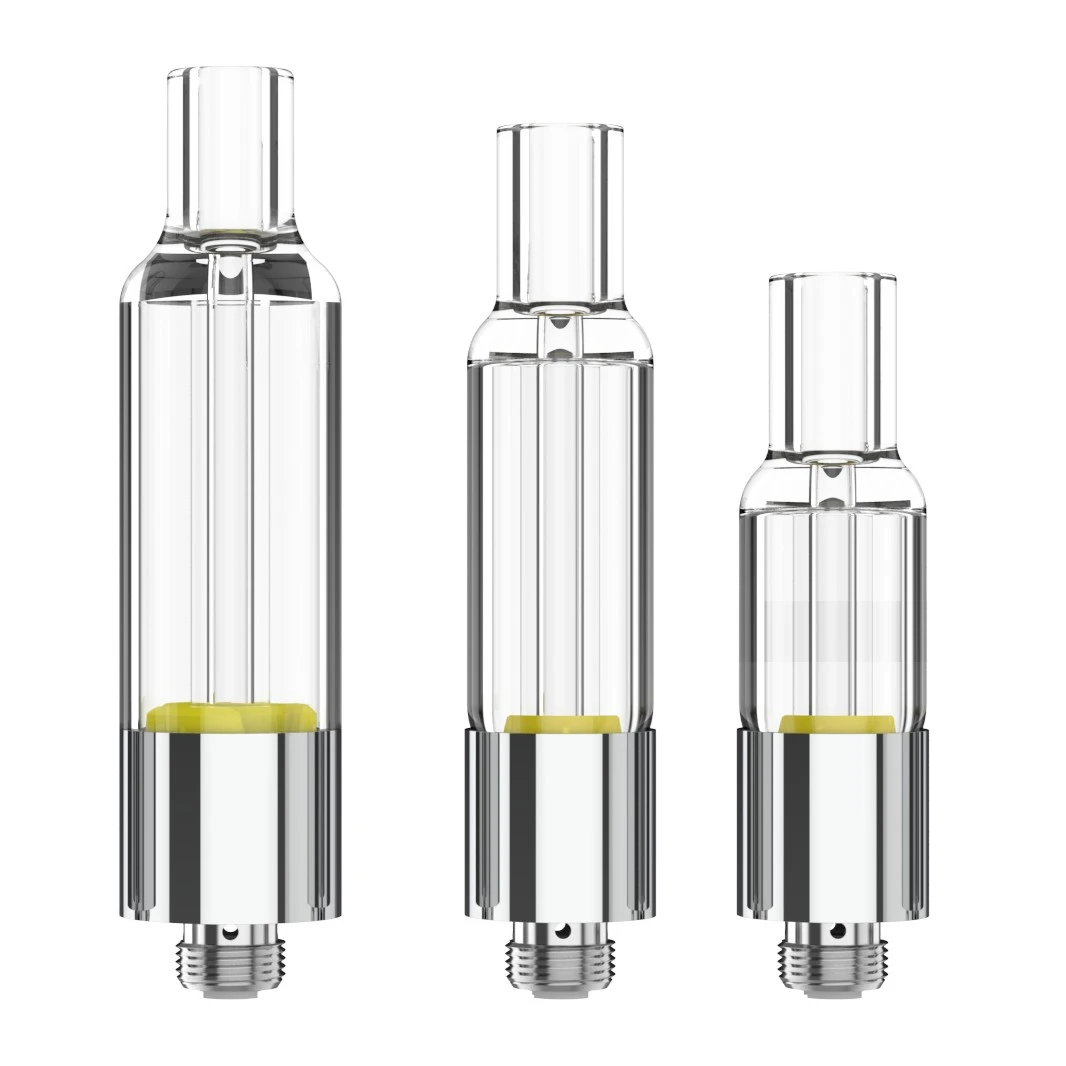
They typically contain a battery, heating element, and a pre-filled nicotine e-liquid cartridge sealed inside. Once the liquid or battery runs out, you toss the device. Simple, convenient, and importantly — price-sensitive.
Their prices reflect multiple factors: manufacturing cost, materials, nicotine content, brand, and market tax rates. The disposable e cigarette price also connects deeply with global industry trends such as health regulation, manufacturing outsourcing, and supply chain logistics.
The core of pricing always starts with raw materials — the battery quality, coil resistance, plastic casing, and e-liquid chemicals. For example, sourcing high-purity nicotine-salts raises costs but ensures better user satisfaction. Many manufacturers rely on China-based suppliers, where costs are lower but regulatory oversights can vary.
Mass production enables economies of scale, bringing down prices significantly. Large manufacturers with automated lines churn out tens of millions of units monthly. Smaller brands or boutique products, by contrast, usually have higher costs per device, which reflects in their disposable e cigarette price.
The introduction of vaping taxes or import tariffs directly impacts retail prices. Countries vary wildly: in some, hefty excise taxes drive prices up; in others, lax regulations keep prices low. Complying with safety certifications also adds to costs — something many consumers may not see but affects final pricing.
Wholesale versus direct-to-consumer sales affect the price layer. Online platforms might offer lower disposable e cigarette prices due to reduced overheads. Brick-and-mortar vape shops or convenience stores add markups reflecting rent, staff, and inventory risks.
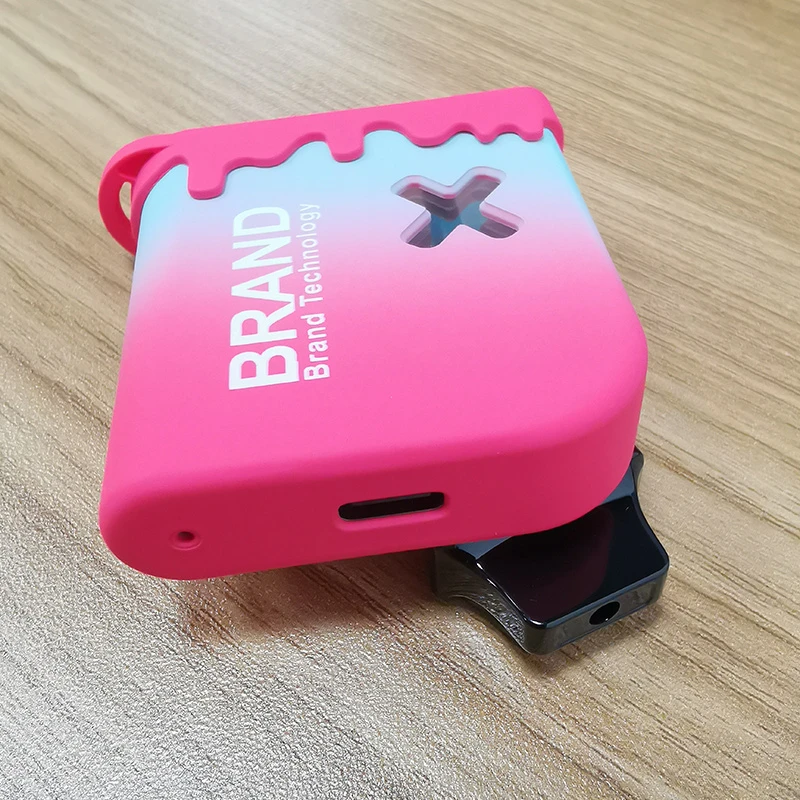
Eye-catching designs, child-proof features, or premium packaging all add to the manufacturing bill, often passed down to customers. Premium brands that emphasize flavor variety or health-conscious ingredients command higher prices, even in disposables.
| Specification | Typical Range | Notes |
|---|---|---|
| Device Length | 80–110 mm | Pocket-friendly |
| Battery Capacity | 280mAh–550mAh | Limits puff count (~200–600) |
| E-liquid Volume | 1.3ml–2.5ml | Nicotine 2%–5% typical |
| Flavor Options | 15–30 varieties | Varies by vendor |
| Retail Price | $3.00–$7.00 USD per unit | Heavily influenced by region |
| Vendor | Price Range (USD) | Market Reach | Unique Selling Point |
|---|---|---|---|
| iCool Vape | 3.50–6.00 | Global, online focus | Wide flavor variety, competitive pricing |
| VapeMaster | 4.00–7.00 | North America, Europe | Premium design, organic nicotine |
| CloudPuff | 3.00–5.50 | Southeast Asia, online | Affordable, high puff count |
Disposable e-cigarettes fill a niche that reusable devices simply can't. In fast-paced urban centers, they’re favored for convenience and affordability. I’ve noticed younger demographics lean towards them, possibly because of the low commitment cost — no bulky devices or technical know-how needed.
In developing countries, affordable disposable e-cigarettes help smokers transition away from traditional cigarettes, which tend to be more harmful. Relief organizations have even looked at disposables to reduce secondhand smoke in shelters or camps, though this is still emerging.
In industry, where users may want a quick nicotine fix without carrying equipment around factories, disposables shine. Some companies also experiment with flavor and nicotine strength to target specific sub-markets — another reason pricing is sensitive.
Why does the disposable e cigarette price matter beyond the wallet? Frankly, it’s a gateway. For many, the relatively low price lowers barriers to a smoking alternative, potentially reducing traditional cigarette consumption — a public health win.
Economically, it encourages competition and innovation: brands strive for better materials or flavor profiles without inflating prices. Socially, a fair price allows broader access, supporting individual choice and dignity in lifestyles.
On the sustainability front — well, that’s a complicated one. Cheap disposables raise concerns about waste, but emerging models are attempting biodegradable materials or battery recycling schemes, possibly changing the sustainability equation.
These innovations may initially raise prices but tend to level out as adoption grows — a pattern seen many times in consumer tech.
Lowering disposable e cigarette price is no trivial task. Quality assurance costs, supply chain intricacies (think recent global shipping snarls), and evolving regulations all add unpredictability.
Manufacturers are experimenting with modular designs, bulk ingredient sourcing, and sustainable packaging to cut costs. Meanwhile, health advocates push for transparent pricing to prevent consumers from chasing dangerously cheap, low-quality products.
It’s a balancing act, really — between cost, safety, and innovation.
So, the disposable e cigarette price is more than just a number on a shelf. It tells a story about innovation, accessibility, health, and regulation around the globe. For users, it offers an affordable gateway to alternatives to tobacco. For the industry, it’s a complex challenge balancing cost, quality, and sustainability.
Curious to explore pricing options or see what's trending? Visit disposable e cigarette price for details on models, flavors, and current deals. Sometimes, with something as small as these disposables, you can catch a glimpse of much bigger shifts happening all over the world.


Hit enter to search or ESC to close