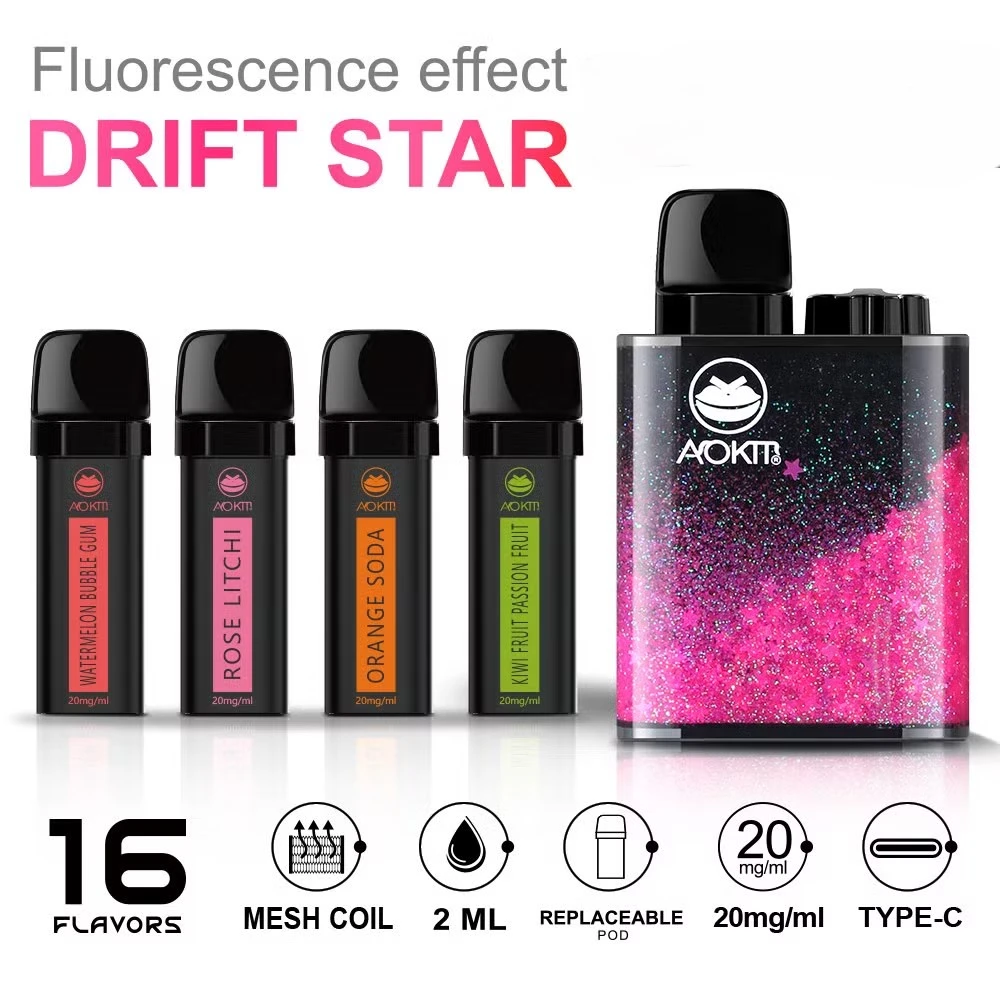
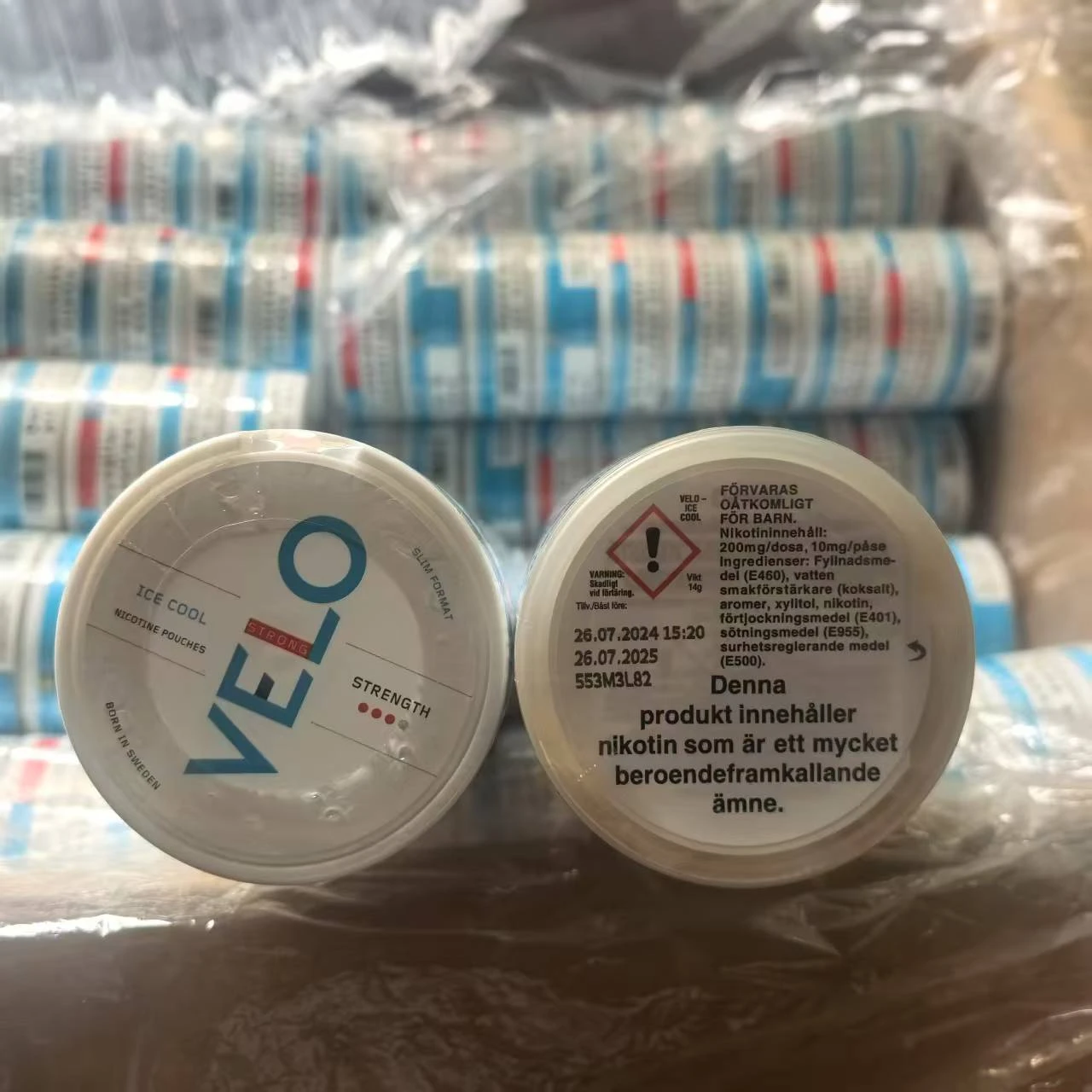
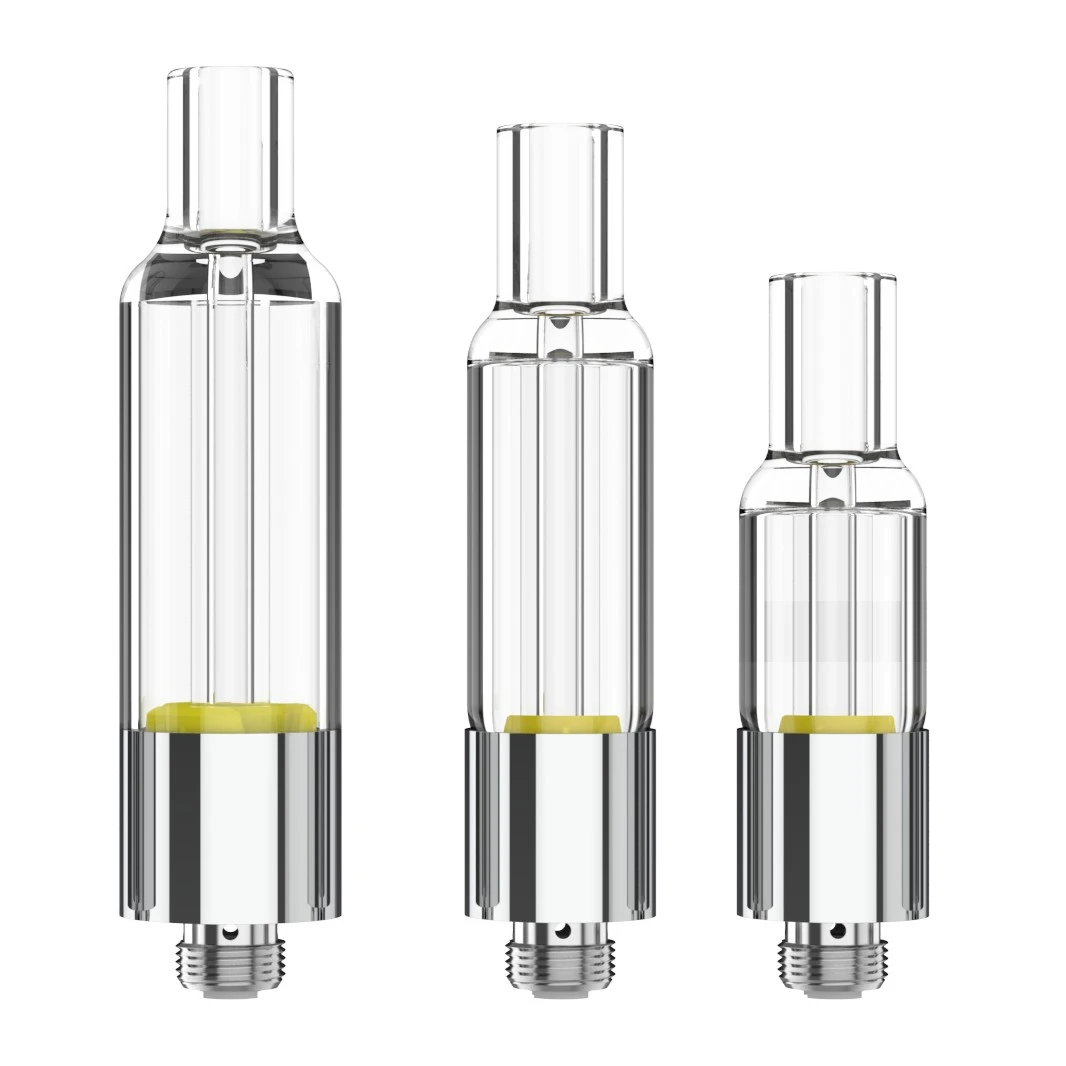
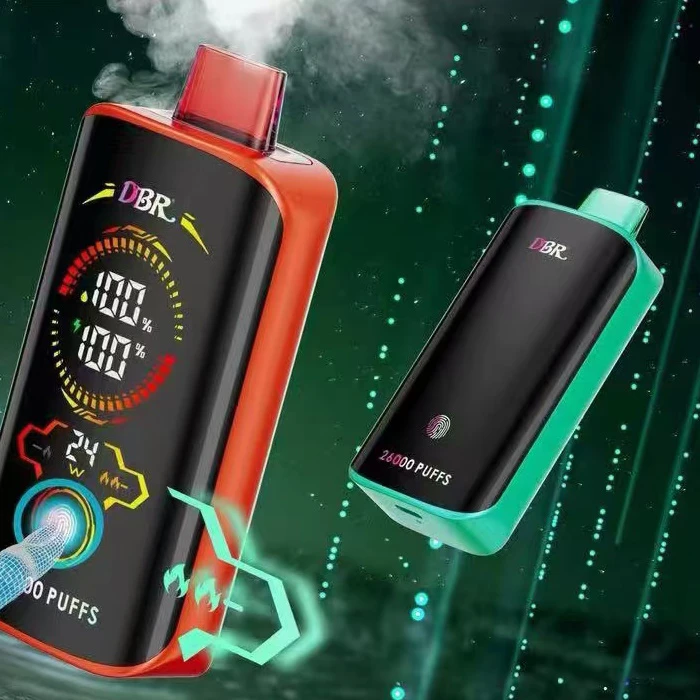
Vaping. E-cigarettes. Call it what you will, the cost of e cigarettes is more than just a price tag stuck on a trendy gadget. It’s a topic that pulls in everything from economics and public health to technology and global trade. Why bother? Because understanding the cost behind these devices reveals much about their accessibility, potential health implications, and even environmental effects. Plus, for both consumers and businesses, the “cost” is not just dollars out of pocket, but also the value tied to innovation, regulation, and social awareness.
Whether you’re a vape user, a policymaker, or part of an industry pondering the right balance between price and quality, it’s worth unpacking what “cost” exactly means here and why it’s more complicated than it sounds.
Globally, the vaping market has exploded in the last decade, with the World Health Organization estimating millions of users across continents. Bloomberg Intelligence reported that the global e-cigarette market surpassed $20 billion in 2023, and projections only upward from there. Yet, the question of pricing remains critical, especially when disparities exist across countries and income groups. For example, tighter regulations and taxes in Europe have pushed costs higher, while in parts of Asia, cheaper alternatives flood the market.
This disparity links deeply to public health policies, taxation, and supply chains influenced by international trade laws and manufacturing hubs. The cost issue becomes a sort of litmus test: Are e-cigarettes affordable enough to encourage smokers to switch, or too cheap so they attract underage users? Are prices sustainable for manufacturers yet reasonable for regulators to endorse harm reduction?
Simply put, the cost of e cigarettes refers to the total expense a consumer or business incurs to own and use the device. This includes the initial device price, e-liquid refills, replacement coils or pods, batteries, and sometimes accessories like chargers and cases. Beyond retail price, it also can refer to broader economic costs such as healthcare implications or environmental cleanup. It’s a multi-layered concept—more than the sticker price at the vape shop counter.
In terms of industry relevance, the cost frame links directly to manufacturing efficiency, supply chain logistics, and marketing. For humanitarian or regulatory viewpoints, cost often equates to access — how affordable these devices are to smokers looking to quit or reduce harm, and how cost barriers might prevent or encourage usage demographics.
The tech inside counts. From simple disposable vapes to advanced mods with temperature control, complexity influences costs. For instance, metal alloys and battery types—like lithium-ion vs lithium-polymer—can push prices up or down. High-grade materials raise durability and reliability but add to manufacturing expenses.
Flavors, nicotine concentration, and base ingredients (propylene glycol, vegetable glycerin) are factors. Premium flavorings or organic components mean more expensive liquids, affecting the user’s ongoing costs. Bulk purchasing or local regulations (like flavor bans) also shape pricing.
Governments tax vaping products differently worldwide. This taxation ripples through retail prices. Complying with safety standards or packaging laws may add production and operational costs that vendors pass on to consumers. Regulations designed to curb youth use often impact product availability and thus price.
Where and how devices are made matters a lot. Devices produced in high-wage countries with stringent quality controls cost more than mass-produced Asian imports. Shipping, tariffs, and stock management translate into consumer price swings.
Premium brands with sleek design, celebrity endorsements, or extensive warranties often charge more even if the core tech is similar. Conversely, budget brands attract price-sensitive consumers but may sacrifice longevity or taste quality. Marketing can subtly influence perceived value and willingness to pay.
Let’s zoom out to applications. In North America, vape shops and online retailers drive competitive pricing but also face growing tax hikes to offset tobacco-related health costs. In Southeast Asia, cheap disposables flood markets, raising concerns about youth uptake but offering low-entry-level prices for adult smokers.
Medical researchers also study the cost of e-cigarettes as a potential tool for smoking cessation programs. For example, NHS (UK) pilot initiatives include vape starter kits at subsidized costs to aid quitting smoking economically.
Meanwhile, in developing regions, NGOs weigh the “cost of e cigarettes” in humanitarian contexts, considering whether affordable vaping could reduce tobacco use where smoking rates are high but cessation resources scant. The ties between cost, accessibility, and social health outcomes are tightly woven.
Oddly enough, the emotional angle also matters — users feel empowered when switching from costly, harmful cigarettes to a device that fits their budget and lifestyle. Building trust in product safety and legitimacy hinges on transparent cost and quality messaging.
The horizon looks intriguing. Expect more digital integration with smart devices capable of usage tracking and personalized settings. Such tech could affect pricing but also add value by improving user experience and safety.
Sustainability will push manufacturers toward biodegradable pods and rechargeable systems, possibly increasing upfront cost but lowering lifetime expenses and environmental footprints. Regulatory shifts globally might standardize taxes or incentivize 'green' vaping gear, shifting cost curves.
Automation in manufacturing and AI-powered quality testing promises to drive down production costs, letting value brands emerge without compromising safety or consistency.
Common issues vexing the market include:
Solutions are emerging. Transparent supply chains using blockchain tech offer traceability. Harmonized international regulation could stabilize pricing. NGOs and social enterprises promote subsidized devices for cessation programs. And manufacturers innovate with multi-use refillable devices to reduce waste and user costs.
| Feature | Specification | Notes |
|---|---|---|
| Battery Capacity | 1000 mAh | Supports ~10 hours moderate use |
| E-Liquid Capacity | 2 ml | Refillable or replaceable pods |
| Nicotine Strength | 0 - 20 mg/ml | Varies by user preference & regulation |
| Charging Time | 1.5 hours | USB-C fast charging |
| Price Range | $25 - $50 | Starter kits, excludes refills |
| Brand | Price Range | Quality Rating | User Feedback | Notes |
|---|---|---|---|---|
| VapoX | $30 - $45 | 4.3/5 | Good flavor, reliable battery | Popular among beginners |
| CloudMatic | $40 - $60 | 4.7/5 | Strong vapor, intuitive controls | Favored by intermediates |
| EcoPuff | $20 - $35 | 3.9/5 | Affordable, mixed durability | Targeted at budget users, eco-friendly packaging |
The bottom line? The cost of e cigarettes is a gateway to understanding an evolving industry shaped by technology, public health, and social trends. It’s a multi-dimensional issue—from raw materials and manufacturing to regulation and consumer behavior. Grasping this cost landscape helps everyone—from users budgeting their vaping habit to policymakers aiming for balanced regulation—to make better decisions.
Curious about the latest pricing or ready to explore your vaping options? Don’t just guess — get informed and get the best value by visiting our site anytime: https://www.icoolvape.com.
Thanks for sticking with me through this little journey into vape economics. It’s not often you get to dissect something so common and realize how layered it really is. I suppose that’s what makes this topic so fascinating and, frankly, kind of essential to monitor as vaping continues reshaping habits worldwide.


Hit enter to search or ESC to close